Seoul nightlife is not one scene, it is at least four, and which one you walk into decides who you will actually be talking to. Hongdae is young and loud, Itaewon is the easiest for someone with no Korean, Gangnam is expensive and strict about ID, and Jongno is where the sit-down, stall-and-soju side of the city’s drinking lives. I have stopped asking which district is best and started asking what kind of night I am willing to pay for.
Hongdae Is The Default Because It Is Easy To Reach
Hongdae is the district most visitors end up in, and the reason is mostly transport rather than taste. Hongik University Station sits on the Green Line, which is Line 2, and the district is known for a large student crowd that keeps the average age low and the prices modest. A younger room is not a worse room, but it does mean that a man in his late thirties is the oldest person in a good many conversations.
I wrote about what that night costs when the trains stop, and the short version is that the district stays loud long after the last departure. If you want a place where nobody needs an introduction and nobody expects one, Hongdae delivers that more reliably than anywhere else in the city. If you want to hear what the person across from you says, the clubs are the wrong half of it.
Itaewon Is Where The Language Gap Costs Least
Itaewon is the district where the language barrier matters least, because it has been the international neighbourhood of Seoul for decades. Its history runs back to the American military base at Yongsan, and the area has since turned into the place where the highest concentration of foreigners in the city drinks. The main strip starts from Itaewon Station on Line 6 and spreads into the streets behind it.
That makes it comfortable and also makes it a little false. Everyone in the room is already used to foreigners, so there is no friction and also no sense of having arrived anywhere in particular. The cover charges I found quoted were small, around 10,000 won for a place that included a drink coupon, and I treat any such number as a snapshot of one guide’s night rather than a promise. When I want a conversation in English that goes somewhere, this is where I start, and when I want to feel I am in Seoul, it is where I leave.
Gangnam Charges For The Look And Checks Your Passport
Gangnam is described by more than one guide as the most expensive area in Seoul, and the clubs there lean toward upscale electronic music rather than the student noise of Hongdae. The core sits around Gangnam Station, which is served by Line 2 and the Sinbundang Line, and the club streets run through Nonhyeon-dong and the Sinsa area. Most of the big rooms, by the accounts I read, run from late Thursday to Saturday and close at five or six in the morning.
The advice that repeated most was to carry a passport, because many of the clubs reportedly will not admit you without one. Korea sets its drinking age at 19 and counts it by the year you were born rather than the exact day, and a foreign face invites the check more often than a local one does. I would rather bring the passport and never use it than argue at a door with a photograph of a driving licence.
The room itself is built around being seen, which suits some people and never suited me as a way to meet anybody. I cannot tell you what the price of that is worth, and I distrust anyone who claims to know it to the won.
Jongno Is The Night Out That Has No Club In It
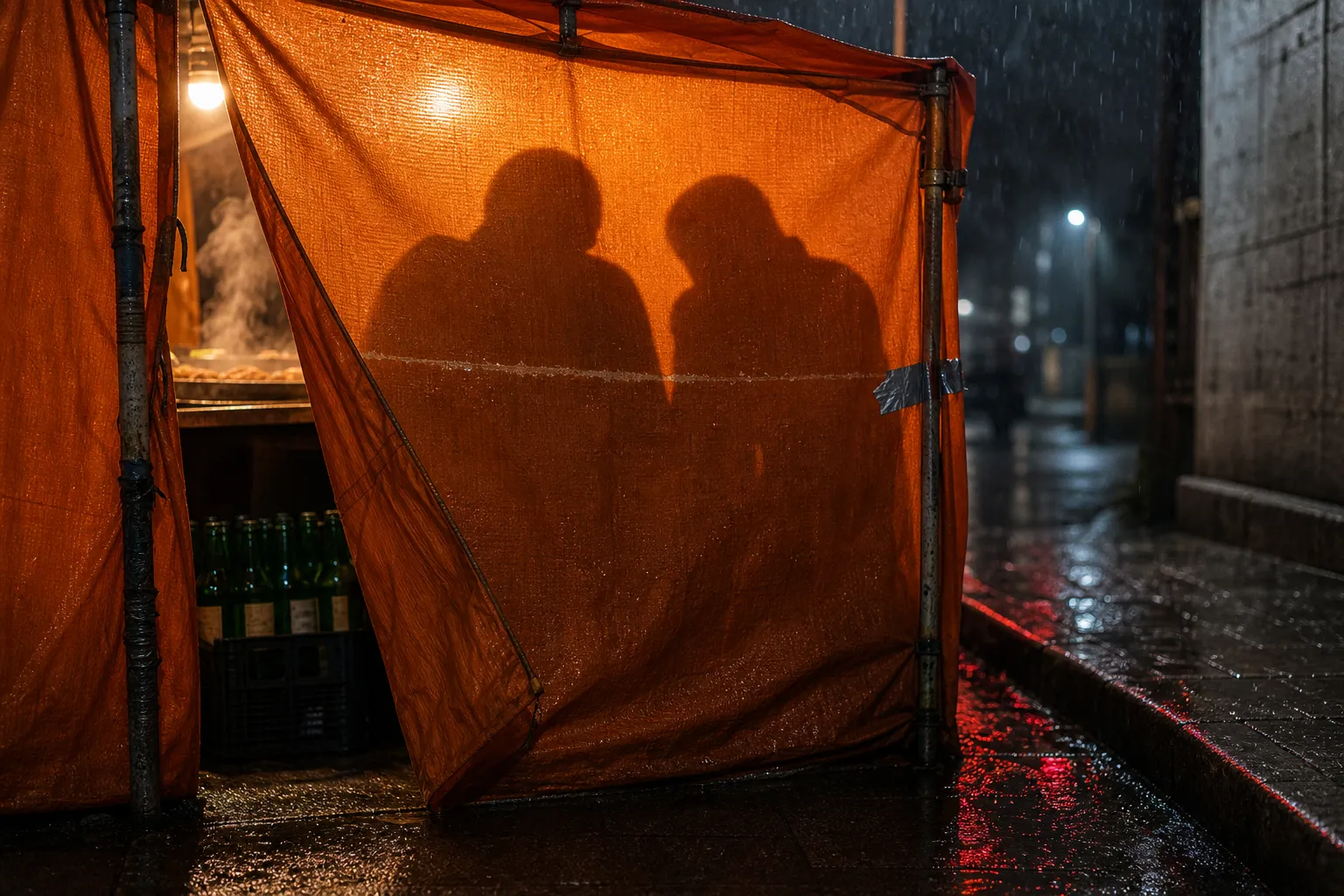
Jongno is the answer for anyone who wants to sit down, and it is the district that the club-focused guides barely mention. Around Jongno 3-ga there is a street of pojangmacha, the orange-tented stalls that serve soju and food at plastic tables, and a second drinking street close to the Jongmyo Shrine called Seosulla. The two are said to be within a fifteen minute walk of each other.
Nobody has to shout in a pojangmacha, so conversation actually happens, and that is the one thing the club districts cannot offer. The cost is that the crowd is local and mostly not looking for a stranger, which turns the night from a hunt into a meal. I rate it above any club for the evening itself, with the caveat that an evening is not an introduction.
The Subway Hinge Sets The Shape Of Every District
Seoul’s subway runs from about half past five in the morning until roughly midnight, though there is no single last train, because the final departure changes with the line, the station, the direction and the day of the week. That uncertainty is the reason every district in this piece builds its night around midnight. Before it, getting home is cheap and trivial, and after it, getting home turns into a decision about money.
The cheapest answer after the trains stop is the Owl Bus, a night service whose routes carry an N before the number and which runs generally from around eleven at night until six in the morning. The adult fare is 2,500 won, which is about $1.86 at the 1,344.61 won to the dollar I checked on the day of writing. The routes are not frequent and they do not match the daytime ones, so I look up the specific N number before I leave the first bar rather than after the last one.
Pick The District By The Kind Of Night, Not The Ranking
The honest way to choose is by what you want to hear at the end of the night, because the districts differ more in who talks to you than in how good the venues are. I would pick Hongdae for noise and young company, Itaewon for easy English, Gangnam only when I am willing to pay for the room and carry the passport, and Jongno when I want to sit and actually talk. Almost every ranking I read rated the clubs and ignored the conversation, which is the only part I remember afterwards.
Apps change the equation in a way the street does not. Most of the conversations I had that went anywhere began on a phone before I reached any of these rooms, and the local apps are harder for a visitor to join than the international ones. I covered what the Korean apps ask for before they let a foreigner in, and Tinder carries most of the foreigner traffic because the others close the door. The wider pattern of who approaches whom in this part of Asia is the subject of my notes on dating as a Western man, and Seoul fits it more closely than I expected.
Which Seoul nightlife district is best for a first visit?
Hongdae is the easiest first night because it is simple to reach and nobody there expects you to know anything. Itaewon is the better choice if you speak no Korean and want English conversation from the start.
Do I need my passport to go out in Seoul?
Bring it, because Korea sets its drinking age at 19 by year of birth and some guides say many Gangnam clubs will not admit you without a passport.
What time do the clubs in Seoul open and close?
The big rooms in Gangnam are described as running from around eleven at night until five or six in the morning, mostly from Thursday to Saturday. Hours elsewhere vary by venue, so I check the individual place before I commit to a district.
How do I get home after the subway stops?
Take an Owl Bus, which runs roughly from eleven at night until six in the morning at 2,500 won for an adult. Look up the route number first, because the night routes differ from the daytime ones.
The number I carry out of the door is not a cover charge, because that changes with the night, the door and whoever is working it. It is the hour the trains stop, because from then on every district charges you something different for staying.