Taipei nightlife is two scenes that happen to share a subway map: the clubs around Taipei 101 in Xinyi, and a quieter, more local run of bars and late restaurants in Zhongshan and Da’an. I go to the second one when I want to hear the person next to me, and I go to the first only when I am prepared to queue, show a passport and pay a cover that changes with the night of the week.
Xinyi Is Where The Big Clubs Sit
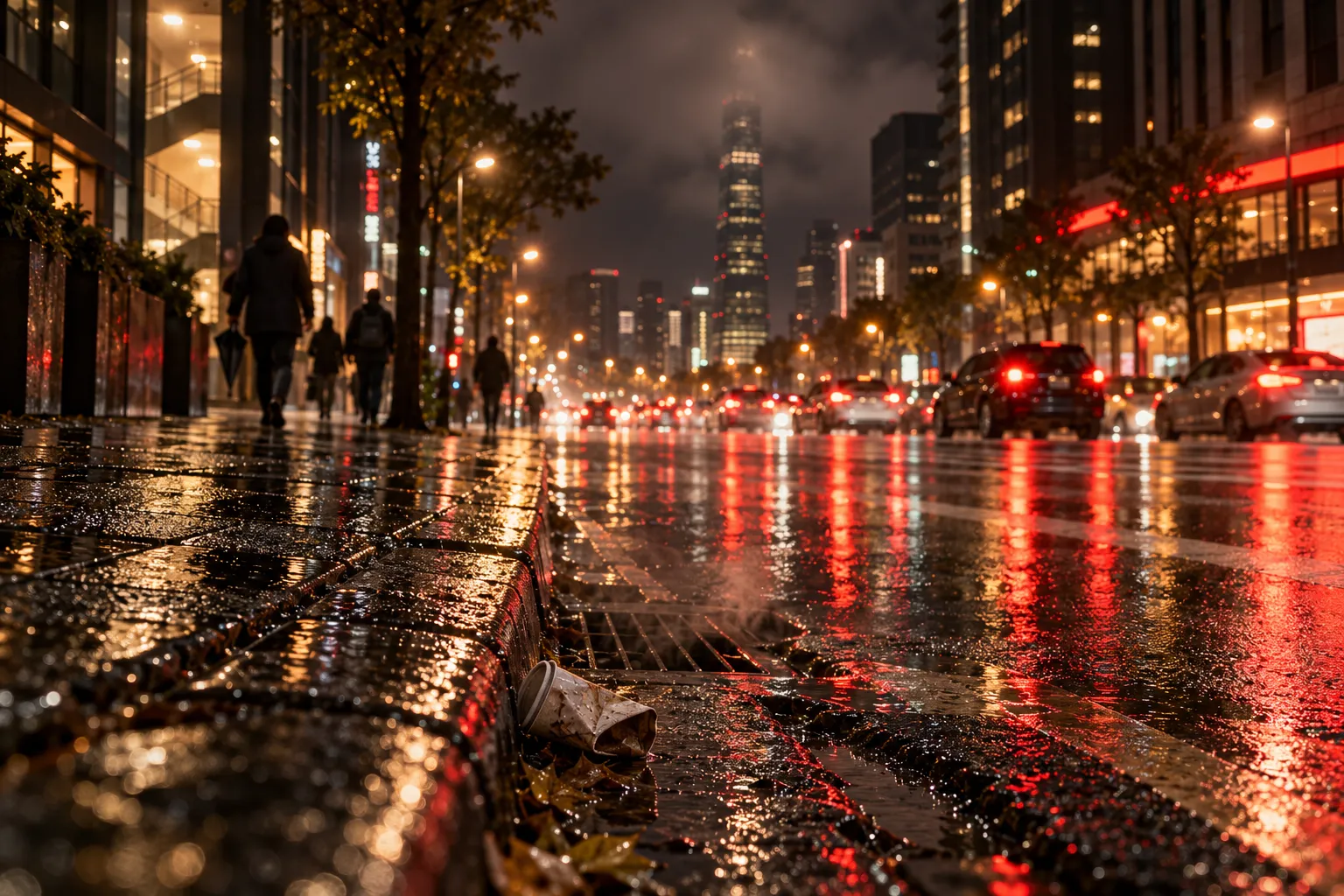
Xinyi is the club district, and the clubs cluster around Taipei 101 and the ATT 4 FUN complex across from it. One tourism page puts a few more of them on Songshou and Songzhi Roads, within a five to ten minute walk, and says the Red Line stop at Taipei 101 and World Trade Center (Exit 4) or the Blue Line stop at City Hall (Exit 3) will get you there. That makes it the easiest district to reach for a visitor, which is the main reason it fills with visitors.
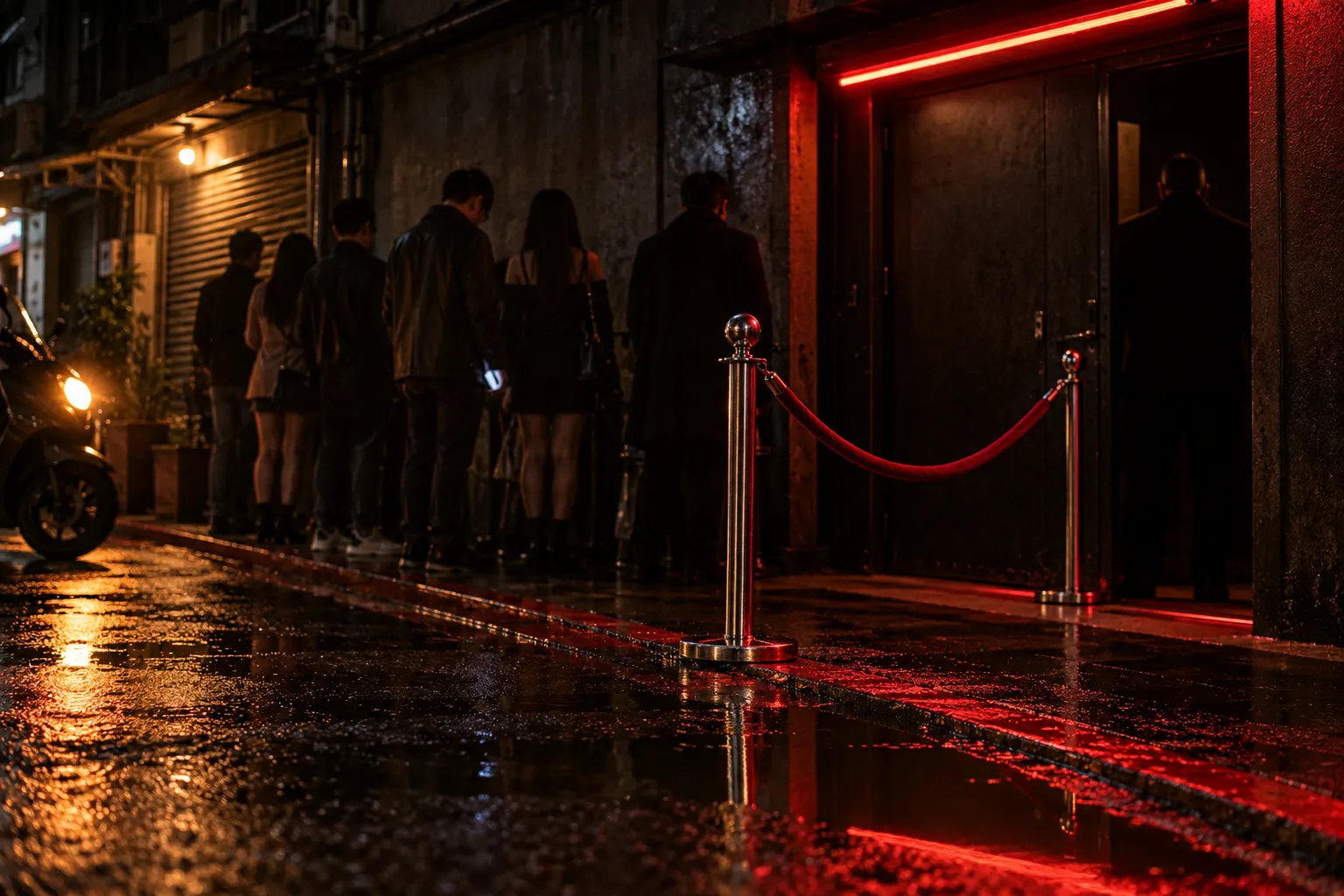
The rooms are built for volume, with EDM at Wave, hip hop at a few smaller floors and Latin nights at M Taipei, and most guides agree that Thursday to Saturday is when they are actually full. I read the same warning in several places: the queue at AI starts forming around ten on its student nights, when it runs an all-you-can-drink deal. A man standing in that queue with no plan is the same man I used to be in other cities, so I have learned to arrive early and leave when the music stops being something I can hear over.
Zhongshan Is Where I Can Hear Anyone
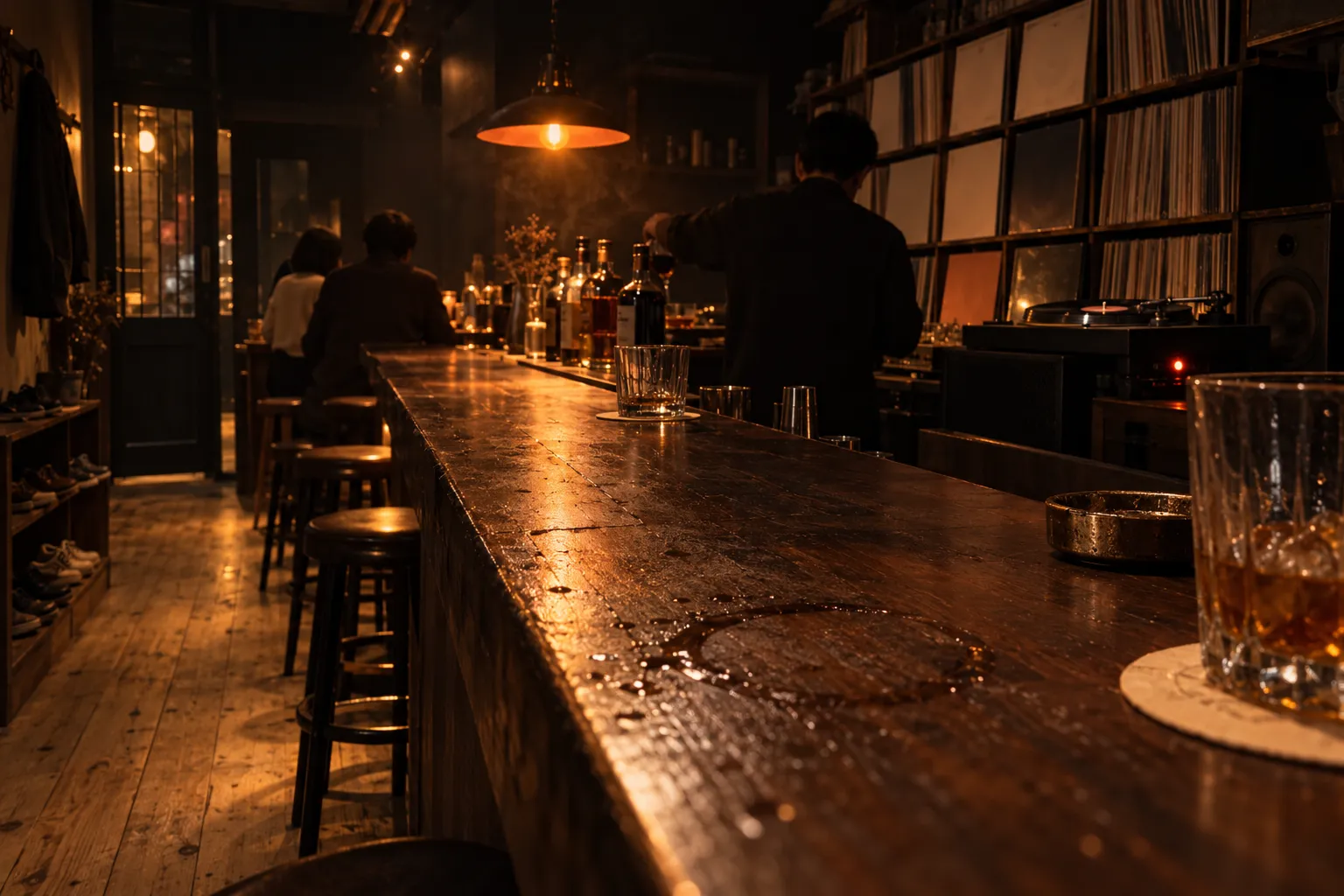
Zhongshan is the side of the city where the night is smaller, and the venues I remember from it are not clubs. Triangle sits on Yumen Street in Zhongshan and is described as popular with foreigners, with a cover of about NT$200 ($6.16) that included a free drink at the time the guide was written. The side streets off Nanjing Road also hold listening bars, one of which makes you take your shoes off at the door and, by one account, is packed by about ten in the evening.
A shoes-off bar tells you something about the room before you have ordered, because nobody arrives there to be looked at. Another editorial piece lists a hot-stir-fry restaurant in the same area that stays open until two in the morning on weekends, and that is where I would end a night I had enjoyed. I mention the food because the best conversations I have had in this city happened over a plate, not over a bottle table.
The Cover Charge Changes With The Day And The Door
The cover charge in Taipei depends on the weekday, the hour you arrive and sometimes on who you are, and the numbers I found were a snapshot of one writer’s visit. A January 2020 guide quoted AI at about NT$700 ($21.57) for women and NT$1,000 ($30.82) for men, and M Taipei at about NT$300 ($9.25). A more recent tourism page gives Wave a range of NT$300 to NT$800 ($9.25 to $24.65) that includes one or two drinks, with bottle tables starting around NT$10,000.
I convert at 32.45 Taiwan dollars to the US dollar, the rate I checked on the day I wrote this. The 2020 figures could easily have moved, so I treat them as the shape of the pricing and not as a menu. What did stay consistent across guides is that the cover is lower the earlier you arrive, and several clubs run free or discounted entry on set days, often for women, which is a pattern I have seen in half the cities I write about. If you have read my notes on the otoshi charge in Japan, the logic is the same: the entry price is the cheap part, and the evening is priced after you are inside.
The Door Asks For A Passport
Clubs in Taipei check identification, and as a foreigner I carry my passport rather than argue about a photocopy. One tourism page gives the entry age as 18 and says the clubs check carefully, especially for people who look young, while an older guide warns that police checks happen in Taiwan’s clubs and that some venues refuse foreign ID other than a passport. I could not find an official statement of either rule, so I am reporting what the guides say and not what the law says.
Carrying the passport costs nothing and refusing to carry it can cost the night. I would rather take a document that works at every door than discover at one door that my driving licence does not count, and the second thing happens often enough to appear in the advice.
The Metro Sets The Hour I Leave
The Taipei metro runs from about six in the morning until roughly midnight, and I should say plainly that I could not pull the official first and last train page, so I am relying on two secondary sources that agree on that window. The operator has run extended service on special nights such as New Year’s Eve, but that is an event and not a schedule. The clubs run until four or five, which means that a night in Xinyi has a gap of several hours between the last train and the first.
My own rule is to decide before the second drink whether I am leaving at midnight or staying until morning. The expensive option is the one where I decide at half past twelve, standing outside a closed station with a phone at nine percent, and I have done that enough times to recommend against it to myself.
Where This Fits In The Rest Of My Notes
Taipei sits in an odd place in my notes because the nightlife is easy to enter and the dating is not. The club districts are full of people who came for the night, and the conversations I had there rarely went further than the door, which matches what I wrote about how a Western man gets noticed across Asia. The closest comparison is the loud, young end of Hongdae and the ride home, although Taipei’s quieter rooms have no real equivalent there. I keep every piece of this kind under the nightlife tag so the districts can be read side by side.
Which Taipei district is best for nightlife?
Xinyi is best if you want the big clubs and are happy with a queue, and Zhongshan is better for bars where you can talk. I pick by the kind of night, because the two districts do not offer the same thing.
Do I need a passport to get into a Taipei club?
Bring it, because the guides I read give the entry age as 18 and say some clubs will not take foreign ID other than a passport. I could not verify the rule officially.
How much is the cover charge at Taipei clubs?
A 2020 guide quoted roughly NT$200 to NT$1,000 ($6.16 to $30.82), and a recent tourism page gives NT$300 to NT$800 ($9.25 to $24.65) at Wave with drinks included. Prices change by night, so I treat any figure as a snapshot.
What time do the clubs close in Taipei?
The big clubs are listed as running until about four or half past four in the morning on Fridays and Saturdays, while the metro stops around midnight. I plan the trip home before I plan the first drink.
The number I carry out of the door is not a cover charge, because that changes with the night and the person at the rope. It is the hour the metro stops, since everything after it costs more than the entry did.