A snack bar in Japan is a small counter room run by a woman everyone calls the mama, and what you buy there is the seat and her attention rather than the whisky. Drinking by the glass, a night lands around ¥7,000 to ¥10,000 ($44 to $63), and it climbs to roughly ¥12,000 to ¥15,000 ($75 to $94) once you put a bottle on the shelf with your name written on it. Getting through the door is what actually stops most foreigners, because the mama chooses who sits down and a stranger with no Japanese is a real risk to the mood of her room. I have been waved in and I have been turned away at doors that looked identical from the street, and only one of those two nights taught me anything.
A snack is not a hostess club
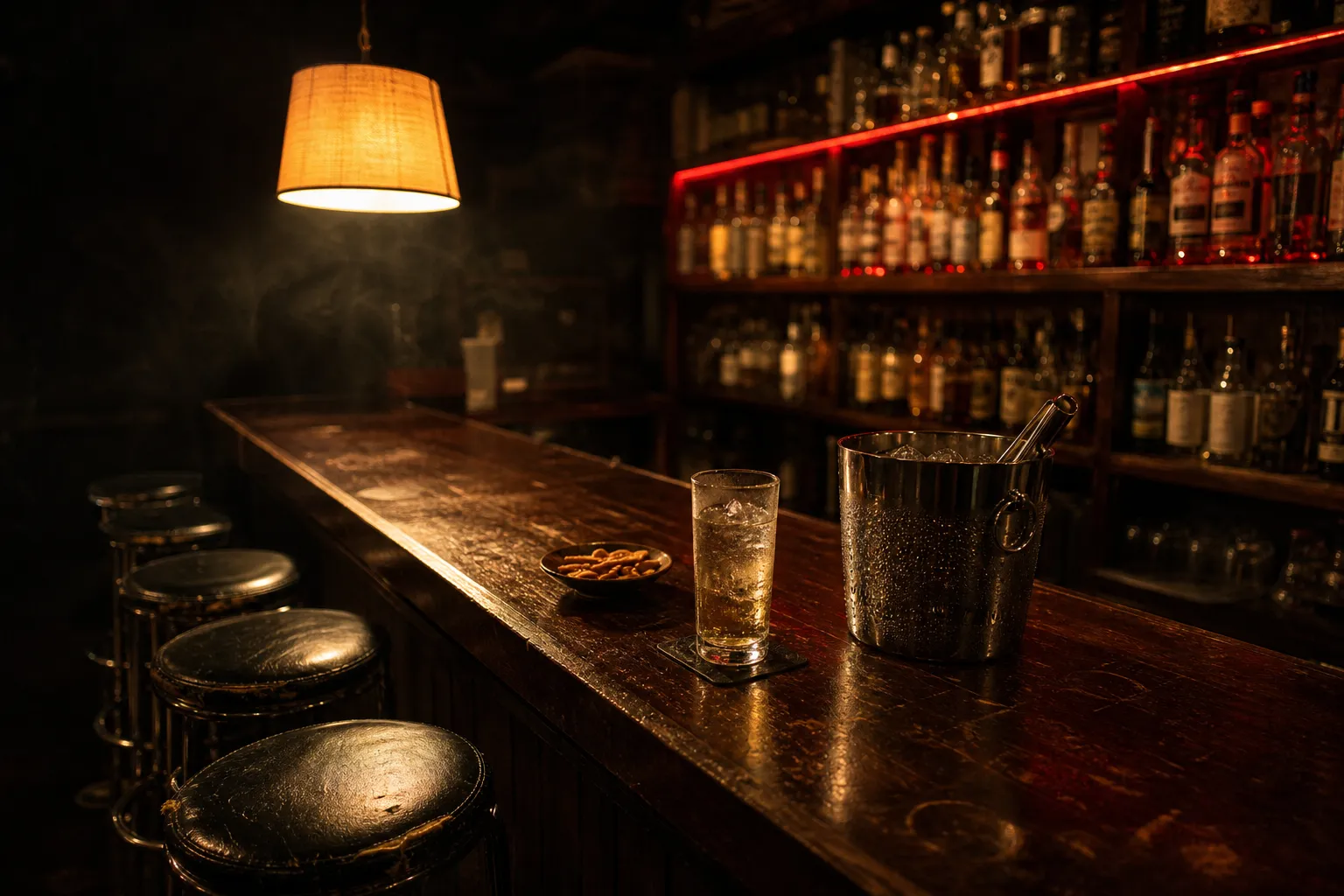
A snack is a neighbourhood bar with one woman behind the counter and a few regulars in front of it, while a kyabakura is a business that sells you a named woman’s time at a table by the hour. The two rooms look similar enough in low light and they run on completely different arithmetic. A snack has six to ten stools, a shelf of bottles behind the counter, a karaoke machine wedged into whatever corner survived the furniture, and a mama who is frequently in her fifties or older. Nobody rotates through the seat beside you and there is no fee for asking a particular woman to talk to you, because there is only ever the one woman.
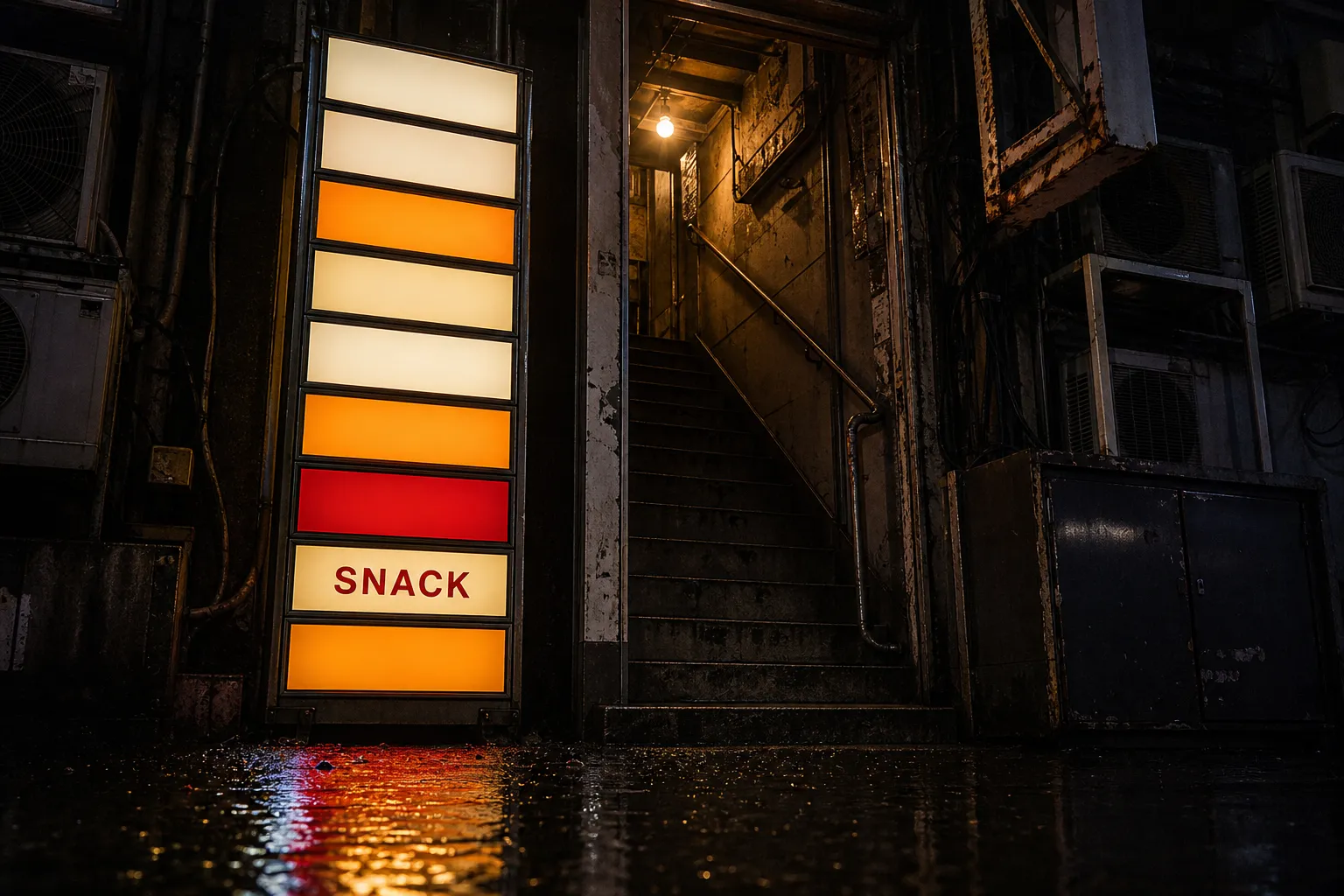
Nippon.com describes the mama as an older proprietor who chats, mixes drinks, lights cigarettes and sings duets with a mostly male clientele, and that sentence is very nearly the whole business model. The format grew in the 1950s and 1960s as a cheaper answer to the big cabarets, then settled into counter service after the Entertainment Business Act tightened the rules on venues where women served alcohol. What survived is a room that is legally and socially much closer to a café than to anything in Tobita Shinchi. The sign outside is usually the katakana word for snack followed by a woman’s first name, stacked in a lit panel with seven other bars in the same narrow building.
The set charge buys time, not drinks
The set charge is the entire pricing model and it runs about ¥3,000 to ¥5,000 ($19 to $31) for sixty to ninety minutes, covering the seat, a plate of light snacks and usually a run of drinks. Luline, a Japanese nightlife guide with a full breakdown, puts city venues at that range and regional ones lower at ¥2,500 to ¥4,000 ($16 to $25). A separate cover charge of ¥1,000 to ¥2,000 ($6 to $13) sometimes sits on top and sometimes hides inside the set, and you rarely find out which until the bill arrives. Staying past your allotted block costs another ¥1,500 to ¥2,000 ($9 to $13) for each additional thirty minutes.
Snack Times, which walks Japanese first-timers through the same maths, prices the smaller lines that quietly assemble your bill. Individual shots run about ¥1,000 ($6), beer sits at ¥800 to ¥1,000 ($5 to $6), mixers and ice add around ¥500 ($3), a drink bought for the mama costs ¥600 to ¥1,000 ($4 to $6), and karaoke is charged at ¥100 to ¥200 a song. Every conversion here uses ¥159 to the dollar, the rate on the morning I wrote this. A shots-only evening therefore lands at ¥7,000 to ¥10,000 ($44 to $63), a bottle night at ¥12,000 to ¥15,000 ($75 to $94), and the same night in Ginza or Susukino at ¥20,000 to ¥30,000 ($126 to $188).
Bottle keep is a loyalty scheme
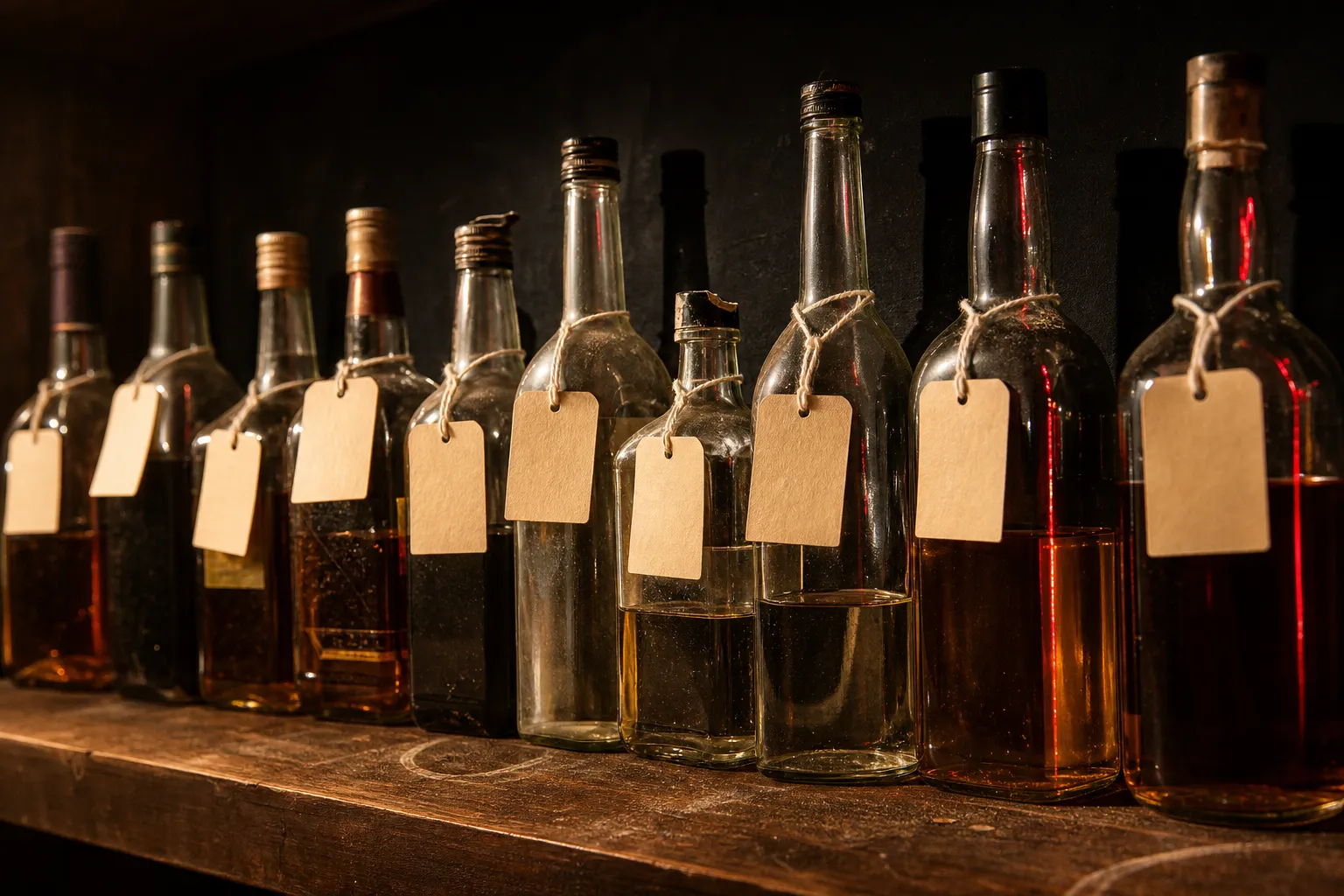
Bottle keep means buying an entire bottle that the bar labels with your name and stores behind the counter, costing ¥5,000 to ¥8,000 ($31 to $50) for shochu and ¥6,000 to ¥15,000 ($38 to $94) for whisky, and the saving it advertises only exists if you come back. Tsunagu Japan describes the rows of bottles along the back shelf carrying each regular’s name, and that shelf is a public list of who has committed to coming back. Buying in is cheaper per glass than ordering shots all evening, so the offer arrives dressed as a saving.
It stops being a saving the moment you leave the country with two thirds of a bottle sitting on somebody’s shelf in Fukuoka. I have done exactly that once, which is how I learned that the bottle isn’t really the purchase at all. What you are actually buying is the small obligation to walk back through that door in a month, and if you live nearby it is worth the money, while a tourist on night two of six is buying a souvenir they will never see again.
The door is a judgement call and it is hers
The mama decides who comes in, and Tsunagu Japan says outright that a first-time customer stands a very real chance of being rejected, because acceptance sits entirely at her discretion. Plenty of these bars carry no menu and no window, only a small lit sign in a stairwell. Good Luck Trip’s guide tells visitors to ask the mama for permission rather than walking in and taking a stool, which is right and slightly understates how final her answer can be. Some bars refuse every stranger as standing policy, an old arrangement usually summarised as first-timers politely declined.
Getting turned away is undramatic and almost gentle when it happens. In Nagoya I opened a door onto five men mid-conversation, the mama looked at me for slightly too long, and she said today is a little difficult in the softest possible phrasing. She was doing simple arithmetic about her own room, where a non-speaker on the middle stool would have ended those five men’s conversation for the rest of the night. The door policy at a happening bar is written down and enforced by a phone number, while this one lives entirely in one woman’s judgement, and hers is the harder of the two to argue with.
Karaoke is how you pay your way into the room
The karaoke machine is not decoration and singing is closer to an entry requirement than to entertainment. Good Luck Trip’s etiquette notes ask visitors to pick songs that suit the age range in the room, to avoid obscure choices, to clap for whoever went before them and to leave the machine alone for a while afterwards. A duet with the mama costs whatever a song costs and buys considerably more goodwill than another round would.
I would not have worked that out on my own. My Japanese is poor enough that real conversation was never on offer, and singing is what let me stay anyway, since it doesn’t require being understood. Two hours in a snack in Kanazawa cost me somewhere near ¥8,000 ($50) and produced one competent Yumi Matsutoya cover and no conversation I could follow. It was still the warmest room I sat in that trip. Trying to hold the evening together with a translation app on the counter would have been worse than singing badly, and I have tried both.
Nobody agrees on how many of these are left
The most repeated fact about snack bars is that Japan has more of them than convenience stores, and the number underneath that claim is much shakier than the claim itself. Good Luck Trip cites roughly 100,000 snack bars against about 57,000 convenience stores as of May 2024, attributing the comparison to chain store data from Nippon Software Service. Other counts of the same trade put the current figure closer to 45,000, down from a peak near 120,000 in the 1990s. Those two versions cannot both be describing the same thing, and the gap is probably about whether tiny unregistered counter bars get counted at all.
What everybody agrees on is the direction. The regulars are ageing, company drinking parties have thinned out, rents and labour cost more than they did, and the pandemic closed a lot of rooms that were already marginal. Nippon.com notes the numbers have fallen hard in the big urban districts while snacks keep going in rural areas, which fits what I have seen. The best one I sat in was in a town of forty thousand people where the mama had been pouring for twenty-six years, and the worst was a tourist-facing imitation in Tokyo charging ¥5,000 ($31) for a managed hour. The thing that makes a snack worth the money is the same thing that makes it hard to walk into, and you can’t buy one without the other.
Can foreigners go to a snack bar in Japan?
Yes, and you will be refused at some of them, which is a house policy rather than a comment on you. Your odds improve enormously if you go early in the evening, greet the mama from the doorway and ask whether you may sit before you sit. A bar in a nightlife district used to visitors is an easier first attempt than a residential one.
How much does a snack bar in Japan cost?
Budget ¥7,000 to ¥10,000 ($44 to $63) for a normal night of drinking by the glass, built from a set charge of ¥3,000 to ¥5,000 ($19 to $31) plus drinks and any karaoke. Adding a bottle takes it to ¥12,000 to ¥15,000 ($75 to $94), and Ginza or Susukino will roughly double the whole thing. Ask what the set costs and how long it lasts before you take a stool, since every honest bar answers both instantly.
Is a snack bar a red light business?
No, a snack sells drinks, conversation and karaoke across a counter, and nothing about it is a sexual service. The confusion comes from the signage looking similar to venues that are something else entirely, particularly in dense entertainment districts where both share a stairwell. A mama in her sixties running a room of retired regulars is roughly as illicit as a village pub.
Do I need to speak Japanese to enjoy one?
You do not need fluency, though you need to accept that the conversation will mostly happen around you rather than with you. Learning to order, to greet the room and to apologise for your Japanese will carry a surprising amount of an evening, which is the same small competence that decides how far you get on Japanese dating apps. The rest of it is singing, drinking at a reasonable pace and understanding that you are a guest in a room that existed long before you found the stairwell.