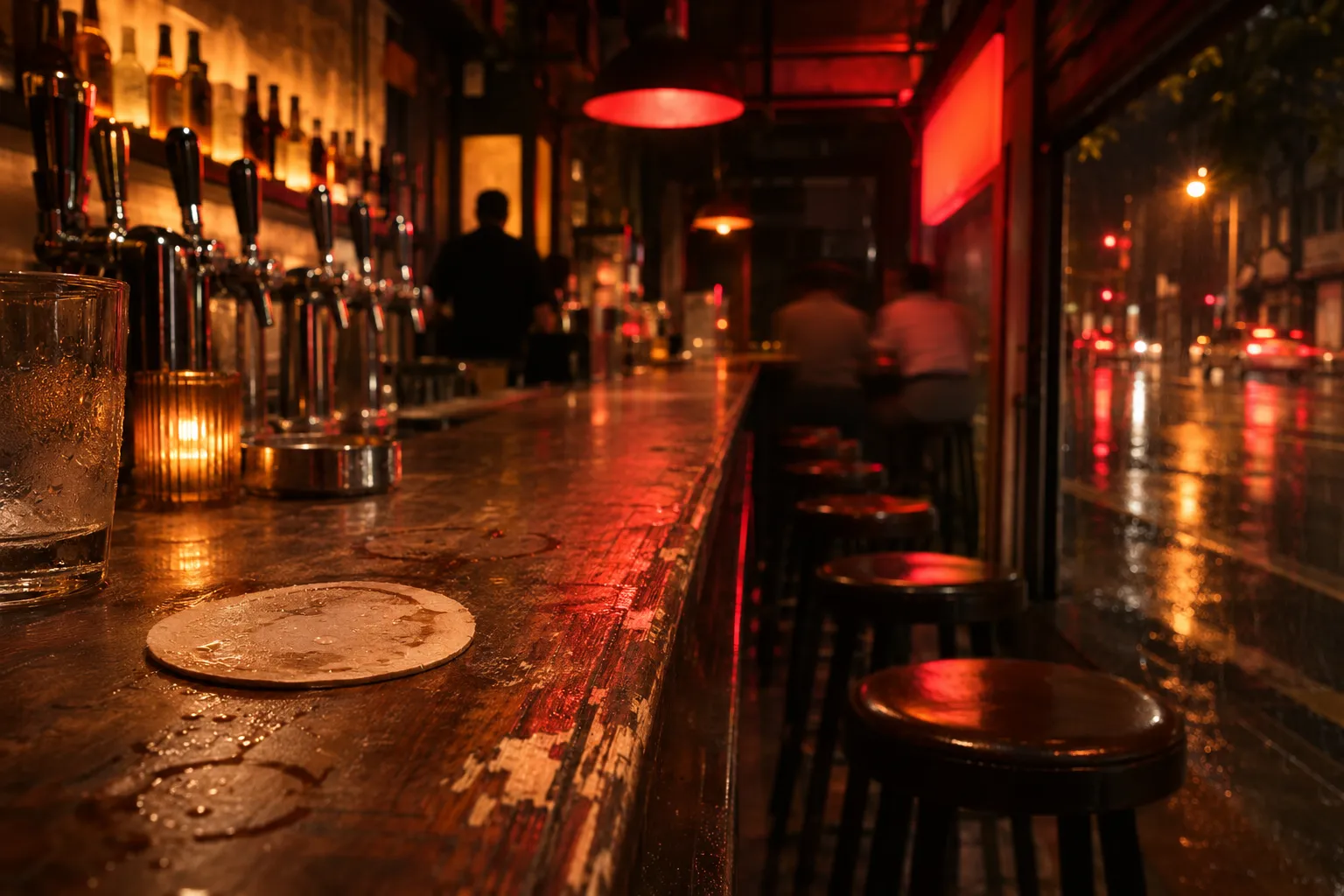
Kuala Lumpur nightlife is mostly one short, sloping strip called Changkat Bukit Bintang, a row of old two-storey shophouses that have been turned into pubs and restaurants. It mixes locals, tourists and expats, and it’s a legal, licensed, non-Muslim drinking scene inside a Muslim-majority country. The thing I’d plan around is the price of the drink, because Malaysia taxes beer harder than almost anywhere I’d compare it to, and the bill on that strip reflects it.
Changkat Bukit Bintang Is the Strip I Start With
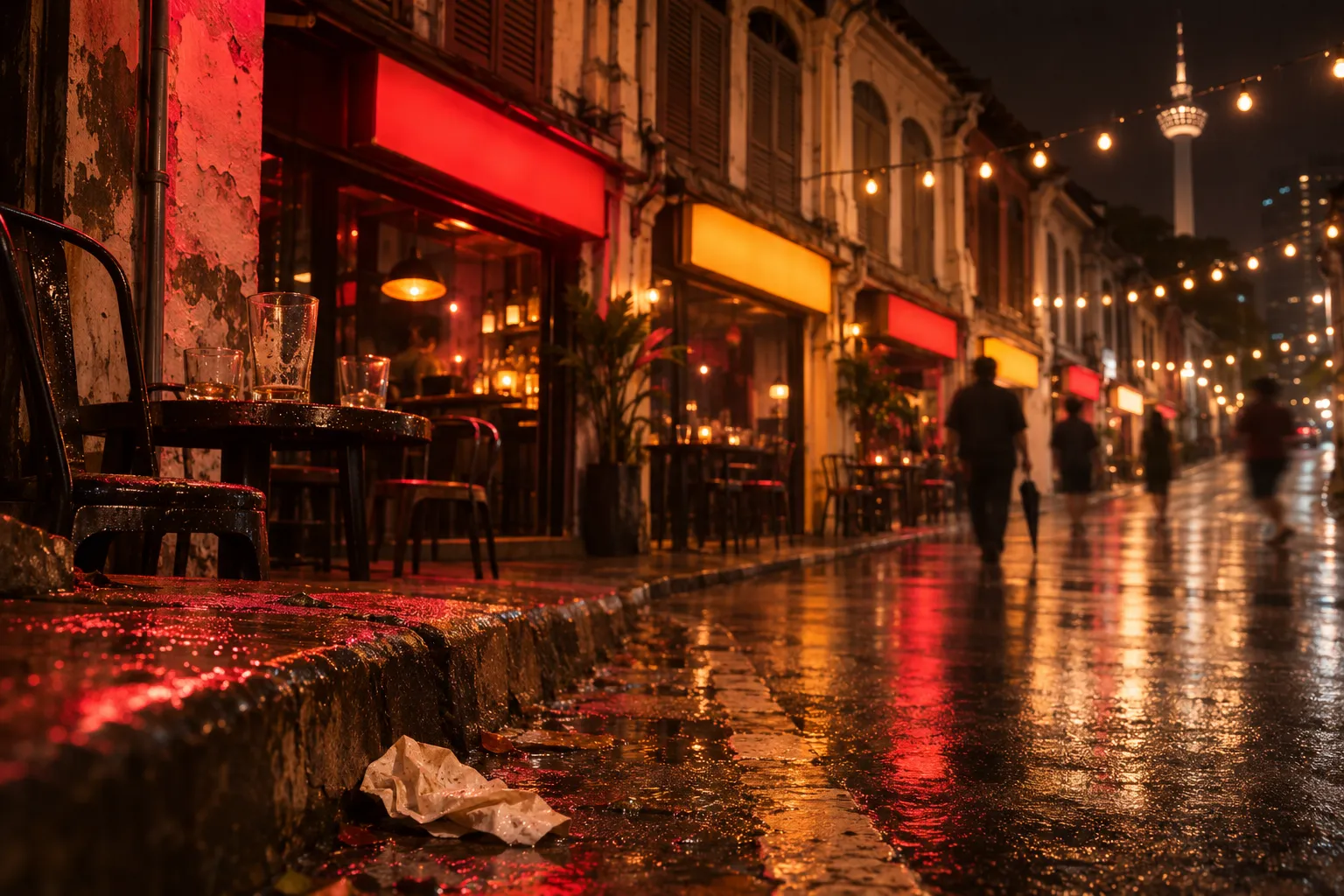
Almost every guide to the city sends a visitor to Changkat Bukit Bintang first, and I understand why. The Edge Malaysia described it in 2018 as a street lined with two-storey pre-war shophouses converted into pubs and boutique restaurants, hemmed in by Jalan Alor, Bintang Walk, Jalan Nagasari and Jalan Mesui, and nicknamed Kuala Lumpur’s Piccadilly Circus. That piece named Pisco Bar, Havana Bar & Grill and Healy Mac’s as the anchors, and it quoted a British expat who said he came every week because the strip was good for networking and full of other foreigners.
I’d treat those venue names as a starting list rather than a current map, since the article is eight years old and bars on a street like this change hands often. What I trust from it is the overall shape of the place. It’s short, it’s walkable, the pubs open straight onto the pavement, and it draws a crowd that is deliberately mixed, which makes it the easiest room in the city for a foreigner to stand in without feeling like the only one.
The Beer Tax Explains the Bill
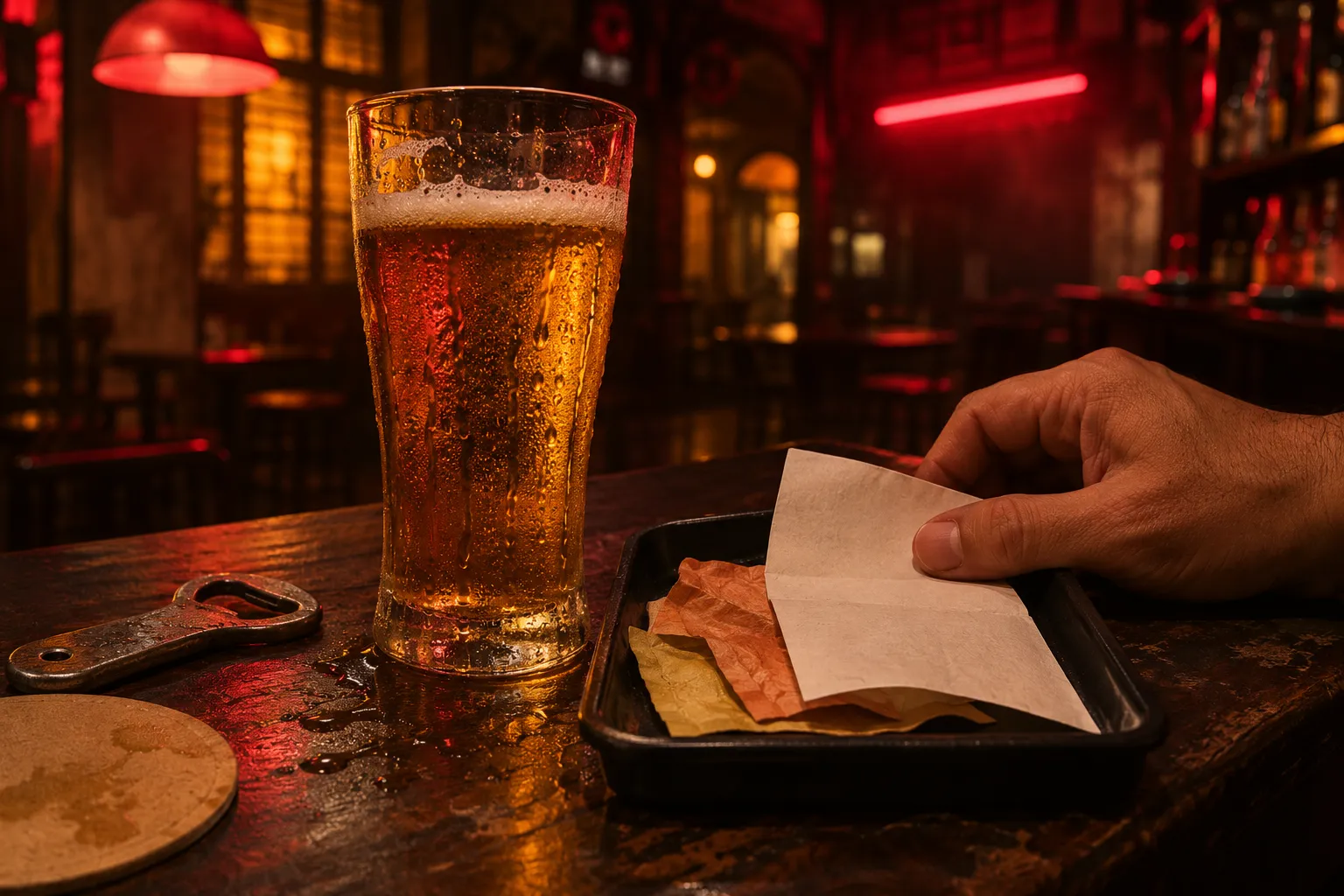
Malaysia raised its excise duty on alcohol by 10% from 1 November 2025, taking beer to RM192.50 per litre of pure alcohol ($47.36), up from RM175 ($43.05) after the 2016 rebase. That was the first increase in nearly a decade, and Newswav reported that the 2016 rate was already the second highest on beer in the world at the time.
The bar prices were already steep before the hike. A study released in June 2025 by Deutsche Bank’s research institute, covering 69 cities and reported by news.com.au, ranked Kuala Lumpur as the seventh most expensive city in the world for a beer in a bar or restaurant, and the second most expensive in Asia behind Singapore. All conversions in this piece use RM4.0647 to the dollar, the rate published on 5 November 2026.
I find that ranking more useful than any single price, because it tells me what to expect before I see a menu. If I’ve been drinking in Hong Kong or on a Seoul street where a round feels like an ordinary expense, I recalibrate on arrival in Kuala Lumpur, because the tax sits inside every glass.
A Round Costs Somewhere Near RM18 to RM22
I couldn’t find a measured bar price from after the hike, and I’d rather say so than invent one. The closest number I have is from a Bangsar bar owner, Joshua Devarajoo, who told Scoop.my in October 2025 that a beer going from RM18 to RM22 was the sort of jump his customers would feel. In dollars that’s $4.43 rising to $5.41, which doesn’t sound dramatic until a table of four orders three rounds.
The forecasts were all over the place. RHB Research expected brewers to pass the duty straight on, with selling prices up 4% to 5%. The Bangsar operators warned that once logistics, service charges and the sales and service tax were stacked on top, the final price in a bar could climb by up to 20%. That is an industry warning rather than a measured outcome, and I’d read it as the ceiling.
For my own budgeting I use plain arithmetic. Four beers at RM22 is RM88 ($21.65), and six is RM132 ($32.47), and both figures are my own sums on the Bangsar quote, not a bill from a Changkat bar. It’s the same exercise I do with otoshi in Japan, where the number on the menu is never the whole price of the stool.
Happy Hour Is Where I Find the Gap
Because the baseline is high, the happy hour is the part of the evening that matters most to my wallet. One guide I read puts happy hour on Changkat at roughly 5pm to 8pm while another says 5pm to 9pm at a single bar and the sources don’t agree on which bars even run one. None of them is dated, so I wouldn’t plan an evening on them.
What I take from the disagreement is that the discount lives in the early hours and moves from bar to bar. A drinker who arrives at 10pm pays the full tax-loaded price, while one who arrives at 6pm may pay well under it. It’s the same logic as a set-price night at a place like those I describe in nomihodai, except that here the saving is a clock rather than a contract.
Non-Muslims Drink Here and Muslims Face a Different Law
Alcohol is legal for non-Muslims in licensed venues across Kuala Lumpur, and Wikipedia’s summary of Malaysian alcohol law puts the federal territory at the top of the country’s consumption table in a 2012 survey. The legal buying age is 21. Syariah law covers Muslims in each state, which means a Muslim drinker can be prosecuted in a way a foreign visitor can’t, and Kelantan and Terengganu enforce bans on Muslims specifically.
I don’t treat that as a footnote, because it shapes who is actually in the room. A bar scene in this country is a self-selected slice of the population, and I’d be careful about reading it as the whole city. When I think about dating here, I assume the people I’ll meet in a licensed bar are the ones for whom this is an ordinary night, and that religion and family sit behind a lot of the people I won’t.
I also don’t speak as an authority on any of this. I’m reporting what the published sources say, and anyone planning around the law should read it from an official source rather than from a travel notebook.
Public Drinking Isn’t a Crime Unless It Turns Into a Scene
Drinking in public or being drunk in public isn’t an offence in Malaysia by itself. The Penal Code and the Minor Offences Act 1955 punish a drunk who causes annoyance or behaves in a disorderly way, with a fine of RM20 to RM25 ($4.92 to $6.15) or 10 to 14 days in jail, and Wikipedia notes these provisions are rarely enforced. The drink-driving limit has been 50 mg of alcohol per 100 ml of blood since 2020.
The small fine makes the law sound trivial, though I’d still read the sentence about jail time twice. The practical point is that a night on Changkat ends on the pavement among a lot of other people, and the sensible habit is the boring one of getting home without turning into the scene the statute describes.
Questions I Get Asked About a Night Out Here
Can non-Muslims drink in Kuala Lumpur?
Yes, in licensed bars, restaurants, hotels and shops, because syariah law applies to Muslims and not to non-Muslim visitors. The legal minimum age to buy alcohol is 21.
Did the 2025 tax raise bar prices?
Analysts expected increases of roughly 4% to 5% at the brewer level, and bar operators warned of as much as 20% by the time every charge was added. I found no measured post-hike bar price, so I can’t give a verified figure for any Changkat bar.
Is Changkat Bukit Bintang the only place to go out?
No, but it’s the easiest one to start with. A Reddit thread I found pointed to Changkat for a tourist-friendly, slightly sleazy night and to Hartamas and Bukit Damansara for a younger crowd that spends more, and a forum commenter mentioned Bangsar’s Jalan Telawi for something quieter.
Is drinking in the street against the law?
Not on its own, since the offence is the disorderly behaviour, and the published penalty is a small fine or a short jail term that is rarely enforced.