Phuket nightlife mostly means Bangla Road in Patong, a pedestrian strip about 400 metres long that closes to traffic around 6pm and runs loud until 2am by law and 4am by habit. The rest of the island is quieter, with a cocktail scene in Old Town and sunset bars around Kata and Rawai. I compared two 2026 guides before writing this, because they disagree on closing times and prices more than I expected.
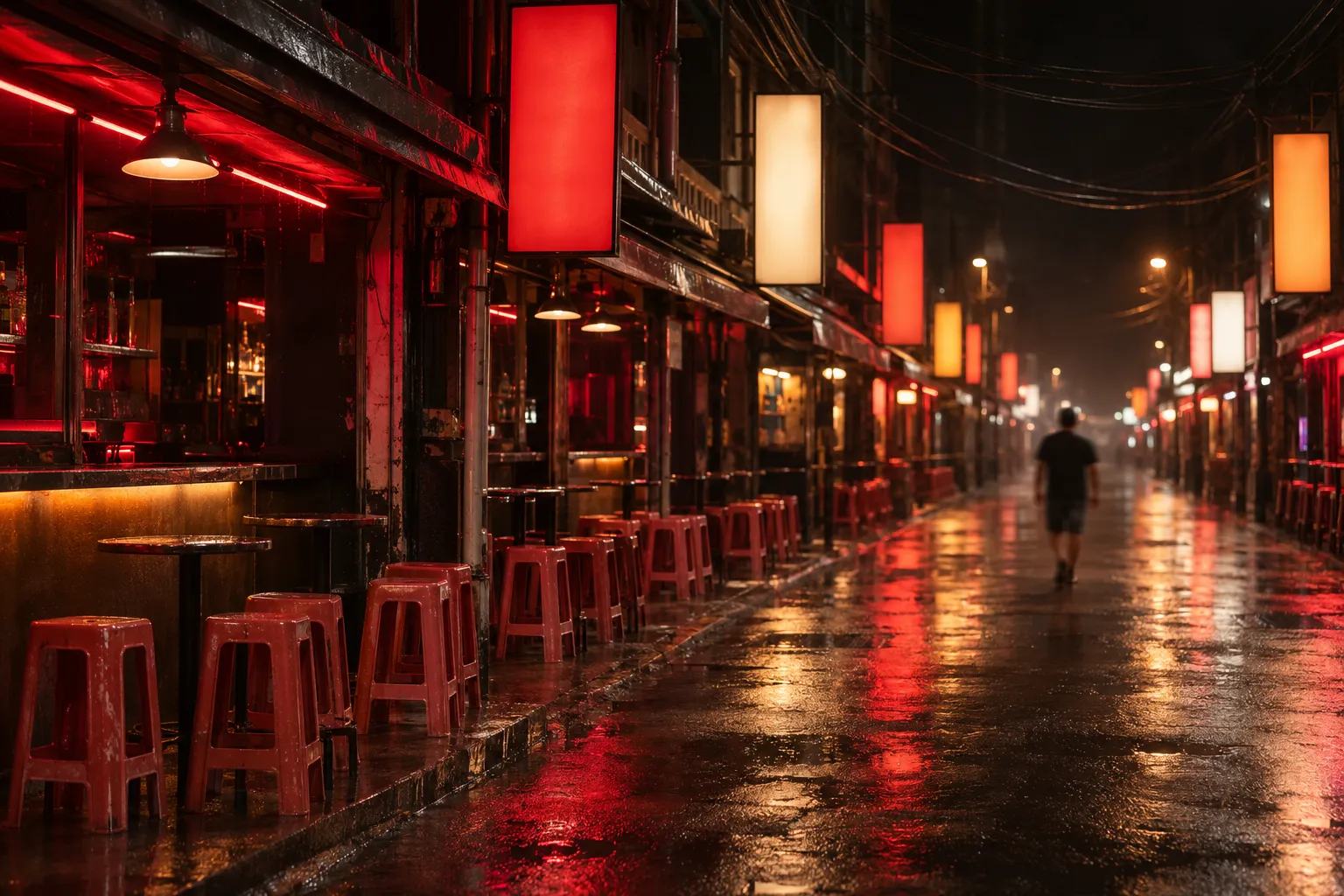
Bangla Road is the whole argument
Bangla Road is where most visitors end up, and it runs on a schedule that is easy to learn. Both guides I read say the street closes to traffic around 6pm, bars open between 7pm and 8pm, foot traffic builds from about 9pm, and the real crowd arrives between 10pm and 1am. One of them calls 10pm to 1am the best window, and after reading how the street fills in high season I believe that.
The strip is a mix of open-front beer bars, clubs with their own doormen, cabaret shows and touts handing out cards. It’s loud and doesn’t ask you to have a view about it, and I’d call it an obstacle course with a bar every few steps, where the skill is mostly walking past things you didn’t come for.
The law says 2am and the clubs say 4am
The legal closing time in Phuket is 2am, and the big clubs on Bangla Road keep going until about 4am. One 2026 guide puts it plainly: official closing is 2am, but major clubs operate until 4am. A second guide says the walking street runs from 6pm to 4am for licensed venues, with smaller bars often closing around 2am.
That gap is the same one I keep finding in other cities, like the last train rule in Shibuya or the licence zones in Kabukicho. The official hour and the actual hour are two different numbers, and the night follows the second one. I couldn’t find a source that says which enforcement regime applies this month, so I plan for 2am and treat anything later as a favour.
Sales rules add one more layer. According to the first guide, shops can sell alcohol from 11am to 2pm and again from 5pm to midnight, while licensed entertainment venues may sell until their closing time. The same page lists Buddhist holidays and major election days as banned days, which I would check with the hotel the same afternoon.
What a beer costs depends on which side of the doorway you stand
A beer on Bangla Road runs about 100 to 180 baht (about US$2.99 to US$5.38), according to a July 2026 guide, and the other guide splits it by venue. Street and beer bars sit at 80 to 120 baht (about US$2.39 to US$3.58), club beer at 150 to 250 baht, and a bottle from 7-Eleven at 40 to 60 baht (about US$1.19 to US$1.79). I converted at 33.48 baht to the dollar, the rate I pulled on 11 November 2026.
Cocktails go higher, with the club range quoted at 250 to 400 baht (about US$7.47 to US$11.95). Illuzion, the large club on the strip, is listed with a cover of about 500 baht (about US$14.94), while several others are described as free on most nights. The other guide gives club covers as 300 to 500 baht that often include a drink, so I take both as a range and not a promise.
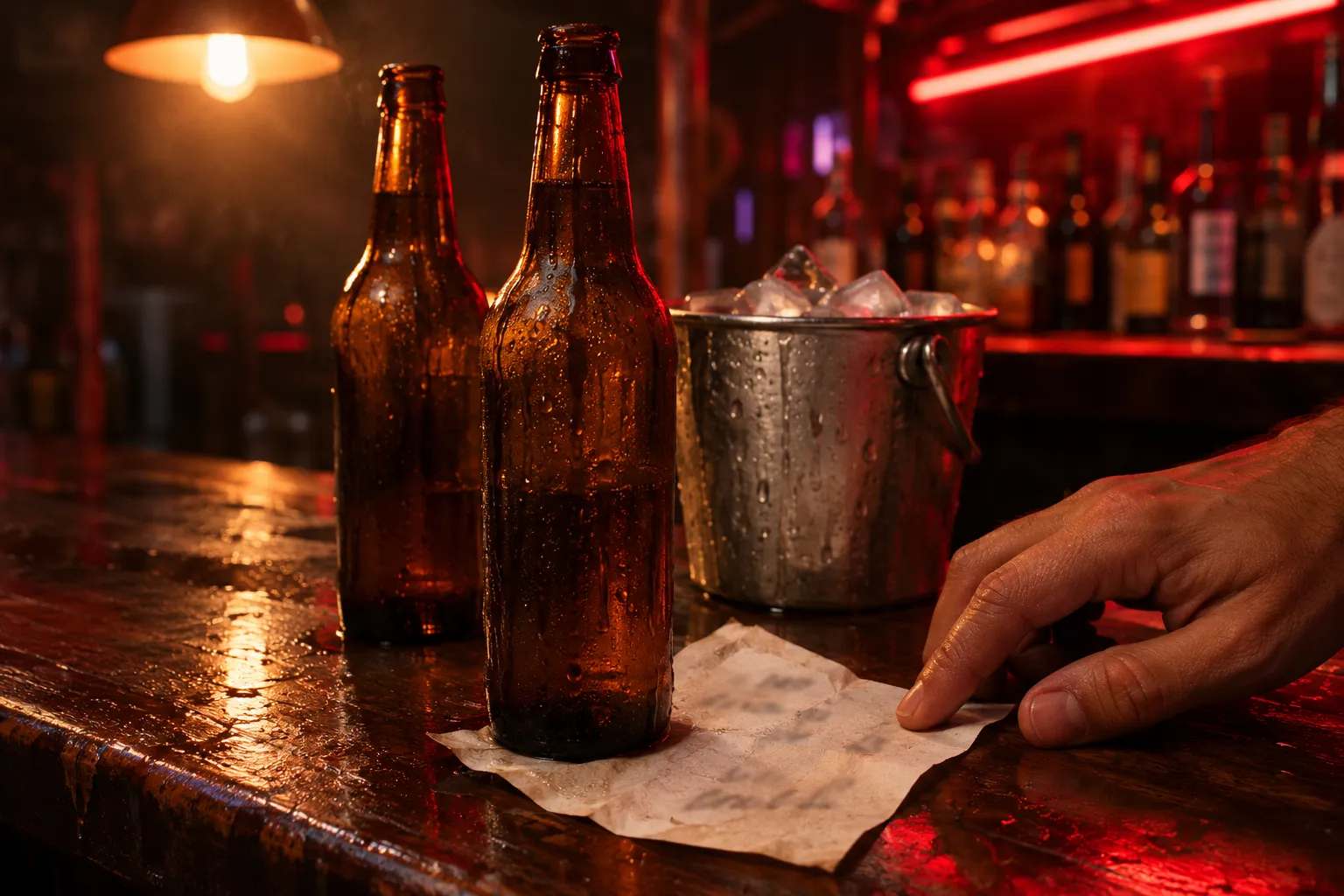
I keep coming back to the lesson from the otoshi charge in Japan: the menu is the opening offer and the bill is the real number. The cheapest night on this street is the one where you asked the price first and paid per round.
The cards in your hand are the expensive part
The costly mistakes on Bangla Road start with a tout and a card, not with the beer. One guide warns about show touts who quote an entrance fee of 100 baht (about US$2.99) and then present a drink bill of 3,000 baht (about US$89.62) inside. Its advice is to walk past, and the other guide agrees that the cards are often not real and you will be charged extra.
The same page says to confirm prices before ordering, to pay per round instead of running a tab, and to photograph the bill if a bar inflates it at closing. The two guides disagree here, and one insists there are no scams in the bars at all. My own reading is that both can be true, because a tab at a quiet beer bar and a hand-led walk into an upstairs room are different transactions.
That is a different problem from the one I described in Kabukicho and the padded bill, where the trouble is a menu nobody shows you. Here the menu exists, and the trouble is that someone is steering you away from reading it.
Getting home costs more than it should
The ride home is the other bill that surprises people. A Grab from the airport to Patong takes 30 to 40 minutes and costs about 600 to 900 baht (about US$17.92 to US$26.89), and after midnight a Grab to Kata, Karon or Phuket Town runs 600 to 1,000 baht (about US$17.92 to US$29.87). One guide notes surge pricing near Bangla Road around 1am to 2am and suggests walking two or three blocks before you open the app.
Tuk-tuk quotes are worse, and the same guide reports drivers asking 300 to 500 baht (about US$8.96 to US$14.94) for a ride that should cost around 50 baht (about US$1.49), and I treat that gap as a tax on being tired. It rhymes with the Hongdae ride home, where the night’s real cost turned out to be the last twenty minutes of it.
Old Town is the other Phuket
Phuket Old Town is where the island has a cocktail scene and nobody is pulling you through a door. One guide describes a growing craft bar scene in restored shophouses, with places like Wassa Homemade Bar, Dibuk House and Bookhemian, and a Sunday walking street on Thalang Road from 4pm to 10pm. One guide describes the crowd as mostly Thai, and most bars close between 1am and 2am.
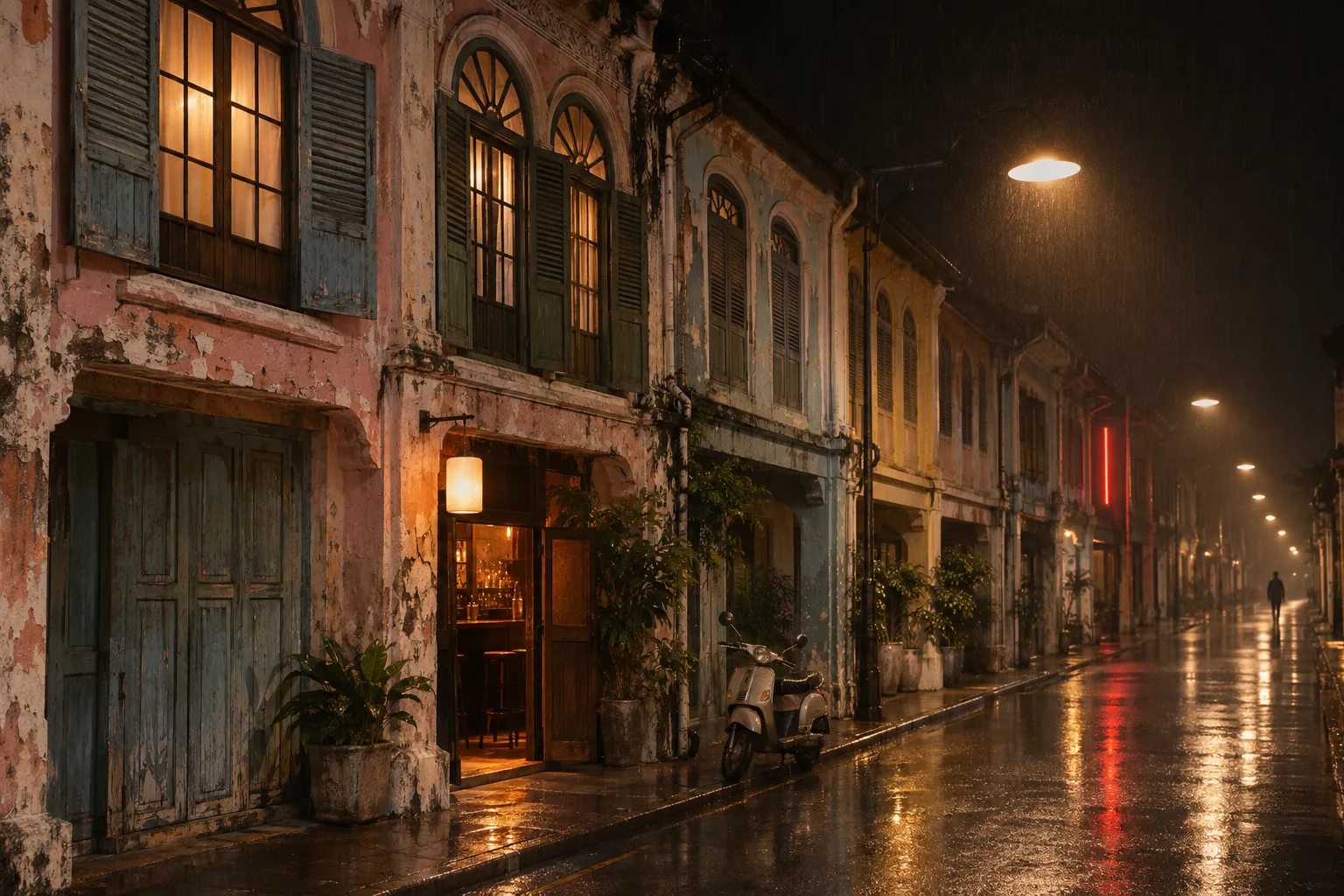
Old Town suits someone who wants to talk to a person for an hour, which is a different aim from Patong. A Grab between the two after midnight is not cheap, so I pick one for the night and don’t try both.
Kata, Rawai and the beach clubs are separate evenings
Kata and Karon have restaurant bars, live music pubs and sunset cocktails, with noise described as low by 11pm and no equivalent of Bangla Road. Rawai and Chalong are expat neighbourhoods with small pubs and a walk-in beach club called Bimi. The big beach clubs in Bang Tao, Kamala and Layan are a different category, with minimum spends quoted at 2,500 to 8,000 baht (about US$75 to US$239) at the ones that publish them.
None of these replaces the main strip, because they answer a different question than Bangla Road does, which is the place I went to see how the machine works.
Some places on these streets are workplaces, not scenery
Patong has go-go bars and hostess bars along the main strip, and they are visible from the road. I’m not going to map them or describe how the transactions work, because this site is a notebook and not directions, but the people working there are doing a job, and treating the whole street as a stage set misreads it.
Questions I keep seeing before people land
What time does Bangla Road close?
The legal closing time is 2am, and the large clubs run until about 4am. Smaller bars often shut around 2am, so I plan for the earlier number.
Is Bangla Road safe at night?
One guide says tourist police patrol it nightly and lists the hotline as 1155. The practical risks I found were overpriced bills and touts, not violence, though I wouldn’t treat two guides as a safety study.
How much does a night out in Patong cost?
A beer is about US$2.39 to US$5.38 depending on the bar, and a club cocktail is about US$7.47 to US$11.95. The ride home and any bill you did not price in decide the rest.
Is Phuket Old Town worth it at night?
It is worth it if you want cocktails and conversation. It is quieter, mostly Thai in crowd, and most bars close by 2am.