Shibuya is the one big Tokyo nightlife district where nobody has tried to sell me a room, and I count that as its main feature. The crowd is young, the venues are mostly chains or tiny counters with a price on the door, and the money mistakes come from the clock rather than from a stranger on the pavement. I’ve spent more evenings here than in Kabukicho precisely because the district asks so little of me before I sit down.
Shibuya Sells Less Than Its Neighbours
Shibuya works mainly as a place people come to meet friends, and the nightlife grew up around that habit instead of around a foreign customer with a wallet. There are touts near the station like anywhere in Tokyo, but they hand out flyers for karaoke and chain izakaya, and a polite refusal ends the conversation. Golden Gai is the better comparison, since its bars are as tiny as Shibuya’s alleys but the district draws far more visitors who can’t read the door.
That doesn’t make the place cheap or innocent. A bar that charges a seat fee will still charge it, and a table of friends will still end the evening with a bill nobody added up. The difference is that the terms are normally visible before I commit, which is all I ask of any district.
The Alley Bars Are Where People Actually Talk
Nonbei Yokocho is the part of Shibuya where strangers end up in a conversation without anyone arranging it. It’s a cluster of roughly forty tiny drinking places in one lane, and each one seats only four to eight people, so sharing a counter is the default rather than a choice.
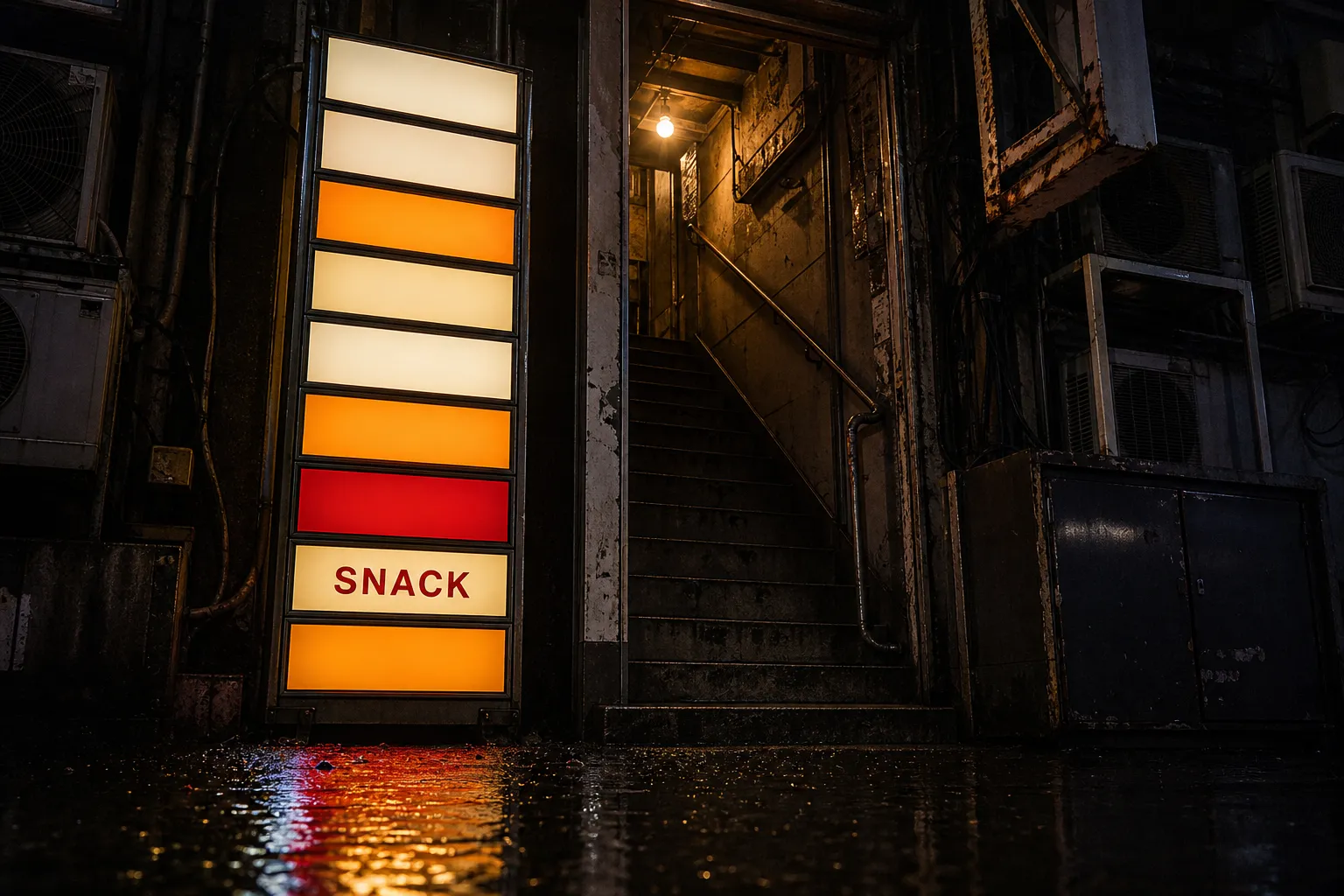
I’ve found that the format does the work that apps pretend to do. When a bar holds six people, the owner talks to all of them and the people on either side of me get pulled into it whether they planned to or not. Most of what I learned about the neighbourhood came from the second person along the counter, and a few of those conversations carried on after we left. It’s the same small-room logic I wrote about in happening bars, only older and with fewer rules.
The cost is the usual Japanese small-bar grammar. Reports of the alley put the seat charge somewhere between 500 and 1,000 yen ($3.17 to $6.33) and the small dish that arrives first at 300 to 500 yen ($1.90 to $3.17), though not every bar charges the same and a few skip the seat fee entirely. I ask at the door, because in a room this size the answer takes ten seconds and I’ve never been refused one. The otoshi charge is normal and fair as long as I know it’s coming.
Center Gai Is Loud and Mostly Convenient
Center Gai and the lanes around it are the part of Shibuya that most visitors mean when they say nightlife, and it’s busy and convenient rather than intimate. The ground floors are chain izakaya, standing bars and karaoke rooms, the crowd is mostly students and people in their twenties, and the volume rises steadily after about nine.
I use it for a first drink with a group or to meet someone who already knows the area, because a meeting here needs a landmark and a time before it needs anything else. Without a plan I find it tiring. Everything looks the same at street level, the music from three directions blurs together, and the sensible choice is to pick one place from my phone and walk straight to it.
The Street Drinking Ban Changed the Crossing
Drinking in the open air around Shibuya Station is now banned every night from 6pm to 5am, and it has been since the ward made the rule permanent on 1 October 2024. The rule began as a Halloween measure and became year-round after the ward assembly passed it in June 2024, and it covers the station area including Center Gai. Time Out reported at the time that violators wouldn’t be penalised, so as I read it the rule runs on persuasion and patrol rather than fines.
That detail matters more than it sounds. The old habit of buying cans at a convenience store and finishing them on the kerb outside is the thing that has gone, and the evening now moves indoors earlier. The practical effect for me is that a plan made at half past eight needs an actual door to walk through, which pushes people into the small bars and standing counters I already preferred.
The Clubs Start When the Trains Are Ending
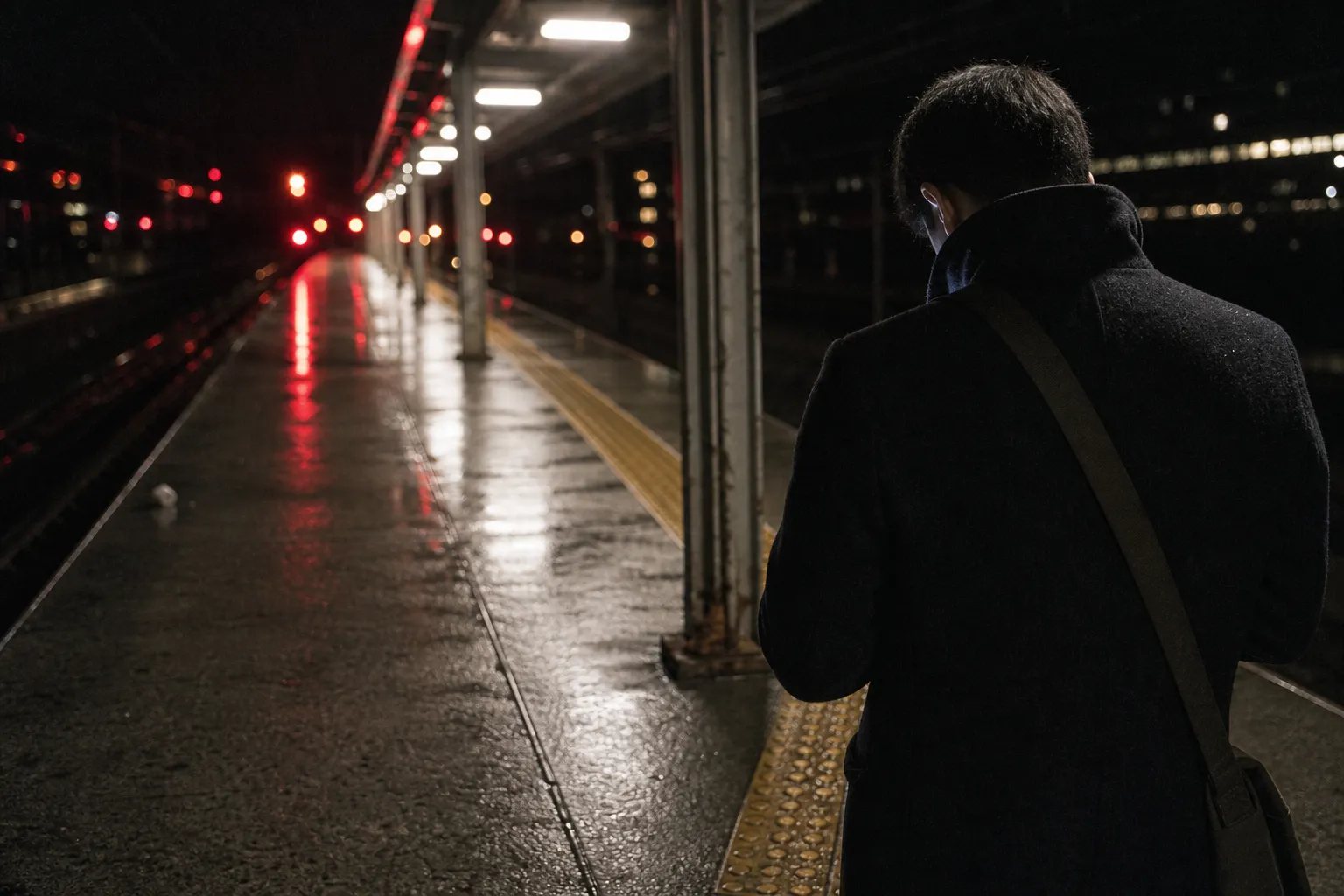
Shibuya’s big clubs open around the time the last trains leave, so choosing a club is also choosing to stay until morning. WOMB, the best known of them, runs from 11pm to 4:30am and, according to one guide, closes from Sunday to Wednesday. Tokyo’s last trains run around midnight on most lines, though the exact time depends on the line and the direction, and I check it in a route planner rather than guessing.
I haven’t found a club entry price I could verify from the venue itself, because most of them set it per event and publish it on the event page. The one rule that does stay constant is age: ordinary club-night events are usually 20 and over, and the door expects original photo ID, so a photocopy or a photo on a phone won’t do. I’d rather learn that from a guide than from the person checking cards at one in the morning.
What I do with the clubs is decide first. Either I’m out until the first trains of the morning, with the cost of that already accepted, or I leave before midnight and let the night end early. The version where I wander into a club at half past twelve with no plan is the one that ends in a cab I didn’t budget for.
Shibuya Suits One Kind of Night
Shibuya rewards a night with a shape: a meal, a counter in an alley bar, perhaps one more room, and a firm idea of how I’m getting home. I’ve had good evenings here that cost less than a single seating charge in a district that sells its rooms harder. Where it lets me down is the improvised, aimless version, because the density of chains makes every option feel equal and the quiet decisions pile up into a late finish.
It also changes how I think about meeting people abroad. The pressure in Kabukicho or Roppongi comes from outside, from a stranger with an offer, whereas in Shibuya it comes from me, from how long I’m willing to keep going. When I’ve used Tinder in Japan to set an evening up, the easy answer to where to meet was a station, and Shibuya’s crossing is an obvious place to say yes to.
Is Shibuya nightlife good for solo travellers?
It’s one of the easier Tokyo districts to go out alone in, mainly because the alley bars seat so few people that talking to the neighbours is normal. A standing bar or a counter seat works better than a table for the same reason.
Is it safe in Shibuya at night?
I’ve walked around it at all hours without trouble, and the main risk I see is spending more than planned. As in any big city, I keep an eye on my drink and ignore anyone who approaches me to promote an unplanned bar.
How much does a night in Shibuya cost?
An alley bar adds a seat charge of roughly 500 to 1,000 yen ($3.17 to $6.33) and a small starter dish on top of the drinks, and clubs set their own entry price per event. Budget the late journey home separately, because that was the figure I forgot most often.
Can I drink outside in Shibuya?
Not around the station area, since drinking in public there has been banned between 6pm and 5am since October 2024. Reports at the time said there was no fine for breaking it, but I’d treat it as a rule and take the drink inside.