Kyoto nightlife is real, but it is smaller and earlier than Osaka or Tokyo, and most of it sits within a few hundred metres of the river between Shijo and Sanjo. Pontocho is the lantern alley for dinner, Kiyamachi is the canal street for bars and the odd tout, and Gion is the geisha district that goes quiet after about 9pm. I treat Kyoto as a city for one good evening rather than a whole night, because the last orders arrive well before the part of the night I would call late.
Kyoto Is Three Districts and a River
Almost everything worth knowing about the Kyoto night sits on two sides of the Kamo River, and I can walk between all of it in about ten minutes. Pontocho and Kiyamachi are on the west bank, running side by side, and Gion is across the water on the east bank. One guide measures the whole cluster at roughly 500 metres between Shijo and Sanjo streets, which matches how it feels on foot.
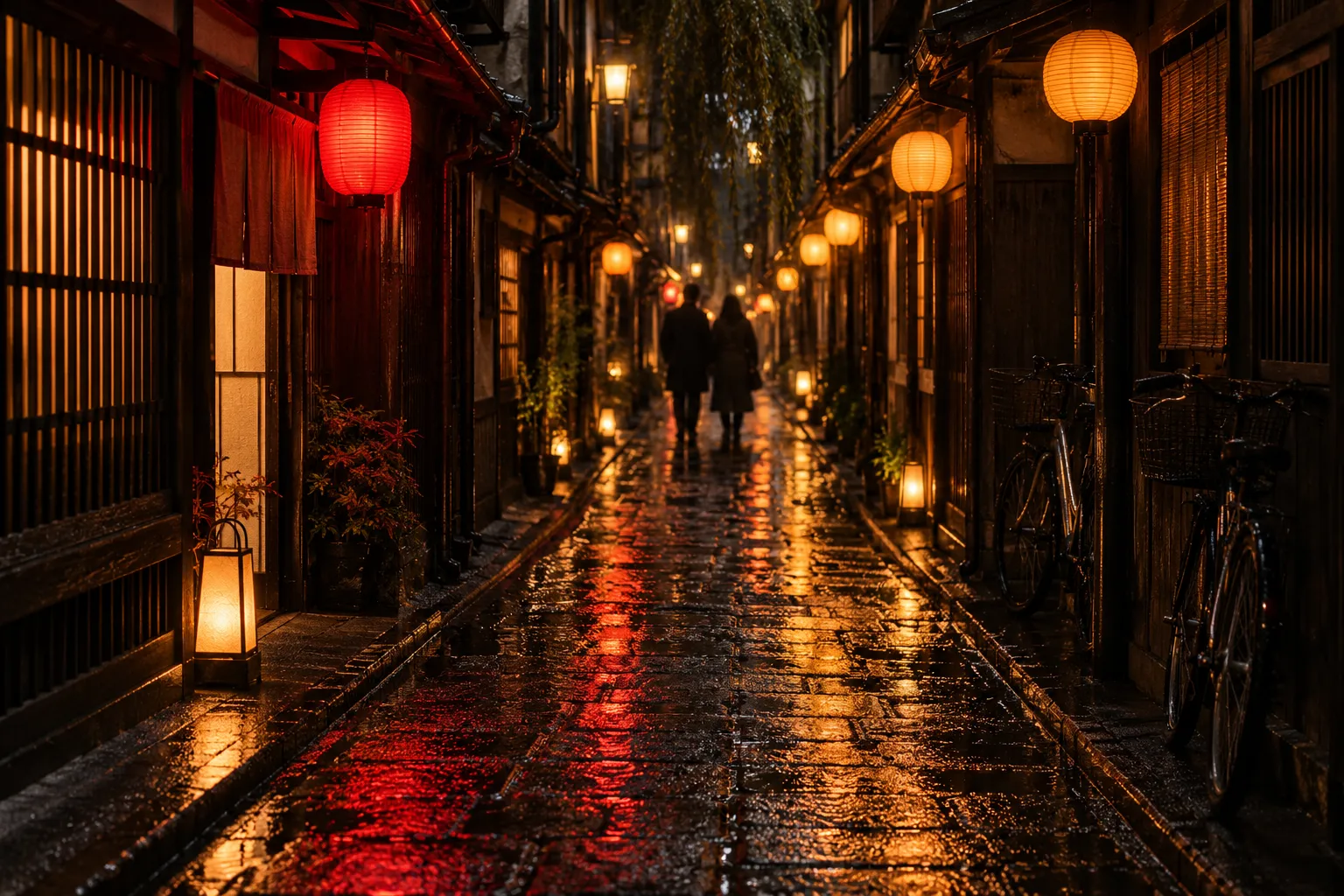
The practical result is that I pick one district per evening and stay in it. Hopping between all three feels like a plan, but each one asks for a different kind of attention, and the walking between them eats the short window before the bars start closing.
Pontocho Is Dinner With Lanterns
Pontocho is a stone-paved alley about two metres wide with roughly 100 restaurants and bars packed along it, and I use it for the first part of the evening rather than the whole of it. The lanterns and the wooden fronts are the reason people come, and the alley photographs better than most of the rooms behind the doors taste.
A casual meal there runs about 3,000 to 5,000 yen ($18.96 to $31.60) per person according to one local guide, while the multi-course Kyoto-style dinners start at 15,000 yen ($94.80) and climb from there. In summer the riverside platforms called kawadoko open from May 1 to September 30, and the good ones need a reservation two or more weeks ahead for a peak date. I walk the length of the alley once, read the menus taped to the doors and choose a place that shows a price, which is the same habit I described in the otoshi post about the seat charge that arrives whether I wanted it or not.
Kiyamachi Is Where the Bars and the Touts Are
Kiyamachi is the street beside the Takase canal, and it holds the drinking bars, the late clubs and the people on the pavement who would like me to follow them upstairs. Many places there stay open until 2 or 3am, so it is the one stretch of Kyoto that keeps going after the rest has gone to bed.
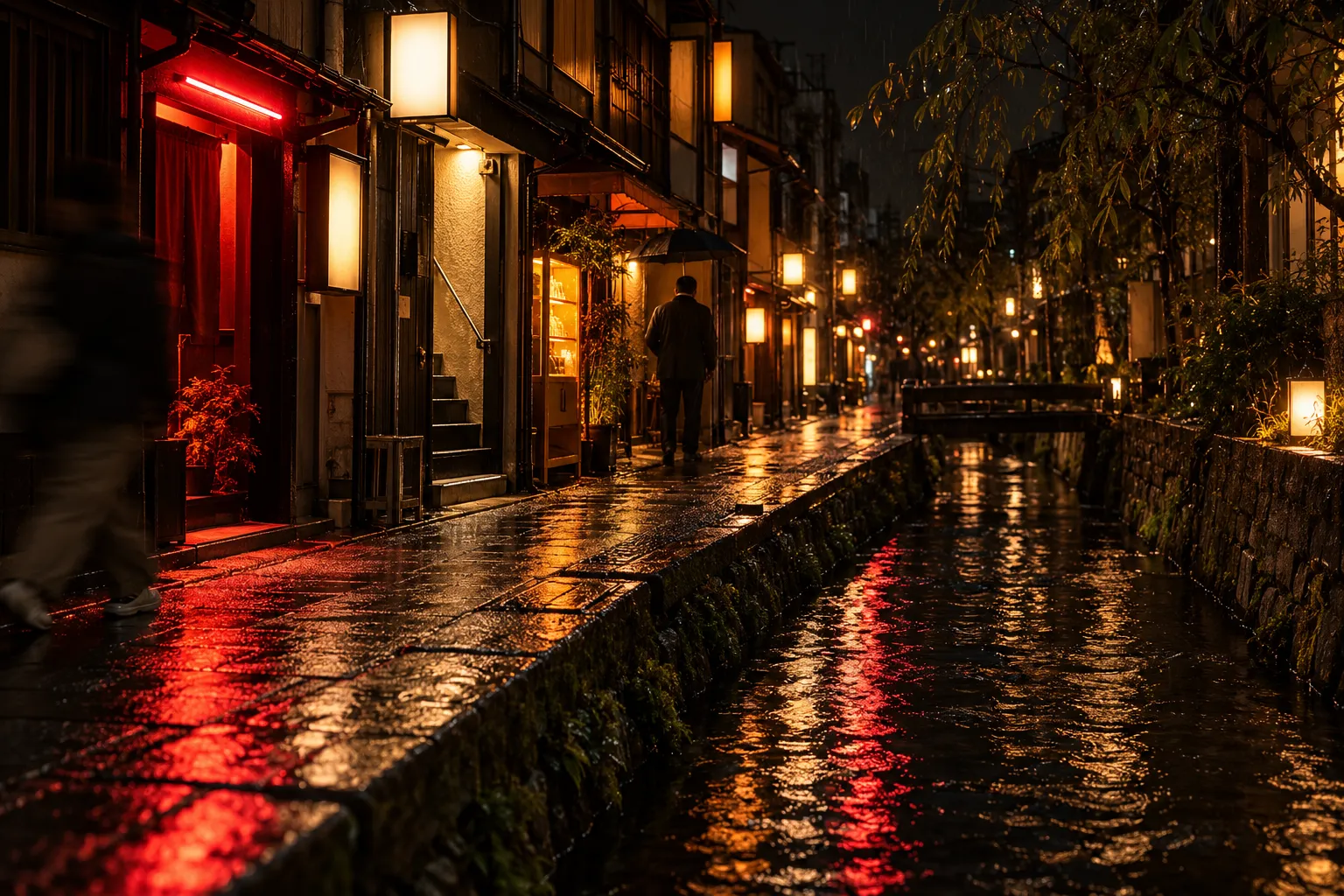
Kyoto has had a rule against touting since 2015, with a fine of up to 50,000 yen ($316) for both the shop and the person on the street, and in 2020 the city began publishing the names of shops that hired outside recruiting firms to get around it. One of the first three shops named was in Kiyamachi. I take that as evidence that the street needed the law, so when someone offers me a table I thank them and keep walking, and I only go up a stairway I picked myself.
The risk behind it is the same one that police elsewhere in Japan warn about, which is the quoted hourly price that turns into a far larger bill once the seat charge, service charge and drinks are added. Osaka police give an example of a 3,000 yen per hour quote ($18.96) that ended as a 100,000 yen bill ($632), and the pitch on a Kyoto pavement can start the same way. I wrote about how that arithmetic works in Kabukicho and it is the same game on a smaller street.
Gion Is Not a Nightlife District
Gion is Kyoto’s largest geisha district, and the honest description for a visitor is that it is a place to walk through at dusk, because the streets empty out after about 9pm. The teahouses are largely closed to anyone without an introduction, which is a business arrangement rather than a snub toward foreigners, and the bars nearby are easy enough to enter.
The rule I follow there is about the lanes. Hanamikoji, the main street, is a public city road, but the narrow private lanes carry signs warning of a 10,000 yen fine ($63) for photographing geiko and maiko or walking in without permission. Most coverage dates that rule to 2019, and I couldn’t find any current official notice, so I treat it as a standing request from residents who got tired of being chased. I don’t follow anyone in a kimono with a phone, and I don’t look for a meeting with a performer, since walking Gion guarantees none.
Last Orders Decide the Evening
The thing I miss most often in Kyoto is the clock, because the last order at many bars arrives between 10 and 11pm, a good hour or two before Osaka starts to feel alive. City buses stop around 10pm and one guide lists the last Hankyu train from Kawaramachi toward Osaka-Umeda at about 11:30pm, though that depends on the day and the direction, so I check a route planner on the night.
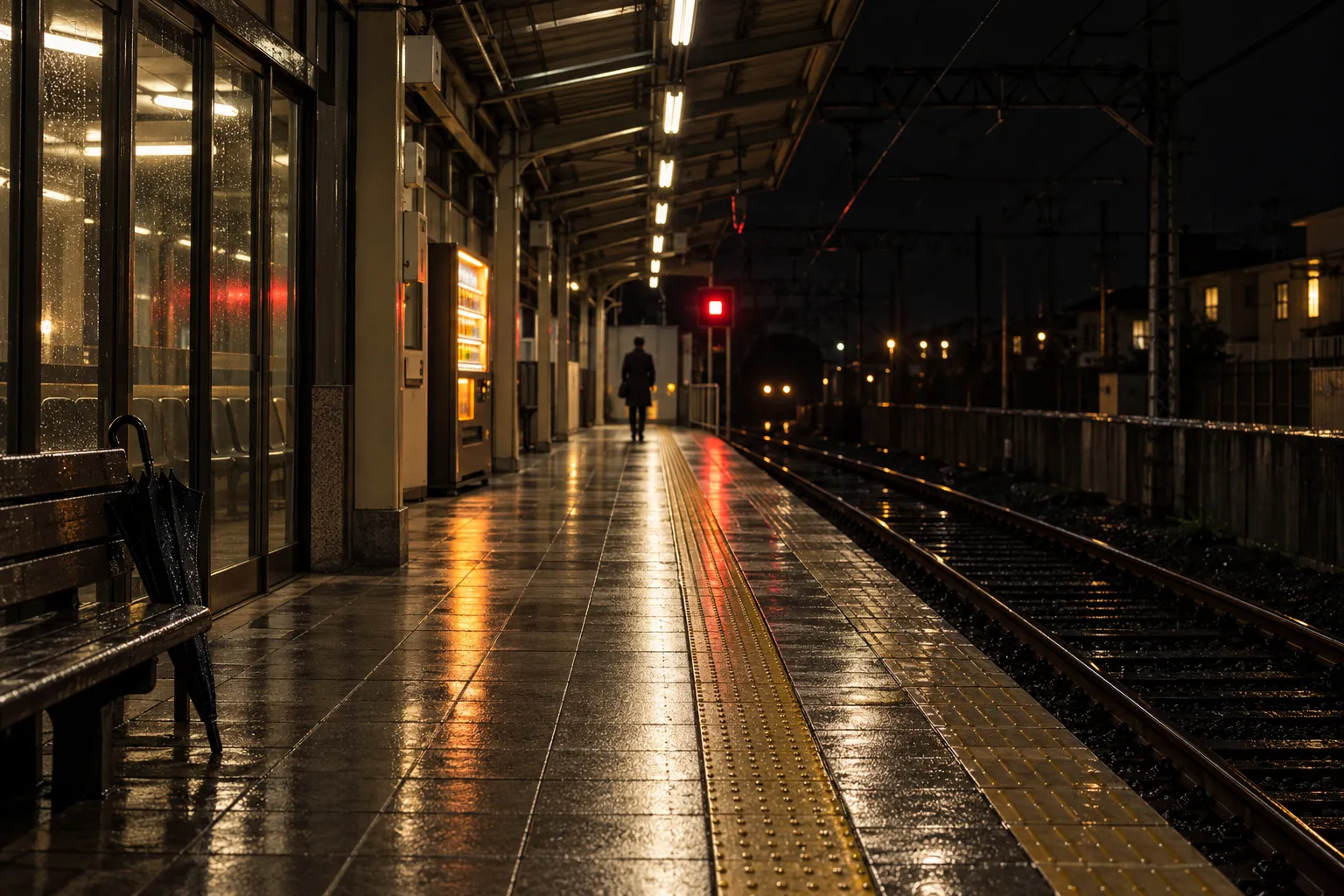
The train from Kawaramachi to Umeda takes about 43 minutes and costs 410 yen ($2.59), so a missed connection is a problem that exists in taxi fares rather than in distance. After midnight the options are a taxi stand on Shijo Street, a karaoke room open until about 5am at 300 to 1,000 yen ($1.90 to $6.32) per 30 minutes, or a late ramen counter along Kiyamachi. Of the three I would choose the ramen, because it ends the night on a printed price.
What Kyoto Does Better and Worse Than Osaka
Kyoto is better for a slow evening with one person and worse for a night with no plan, which is more or less the reverse of the city to the south. The rooms are small, the staff talk to everyone, and a quiet bar on Kiyamachi gives me more conversation in an hour than a loud club gives me in a night.
That is also why I find it a decent place for a first meeting with someone from an app. After matching on Tinder in Japan, I would pick Pontocho for a first drink because it is easy to find, public enough to be comfortable and finished early enough that nobody has to decide anything at midnight. For the club side there is Club Metro, with tickets of about 2,000 to 5,000 yen ($12.64 to $31.60) and a requirement to be at least 20, but I haven’t made it a habit.
The darker categories of Japanese nightlife are mostly absent here, and the ones that exist belong in other cities. I covered the paid-company version in the snack bar and kyabakura posts, which are both closer to what a visitor will find in Osaka or Tokyo than in the lantern alleys of Kyoto.
What is the best area for nightlife in Kyoto?
For bars, it is Kiyamachi along the Takase canal, with Pontocho beside it for dinner. I save Gion for an early-evening walk, since it quiets down after 9pm.
Is Kyoto nightlife good compared with Osaka?
It is quieter and ends earlier, with many places taking last orders between 10 and 11pm. Osaka has more that stays open past 2am, so I only go to Kyoto when I want a calm evening.
Is it safe to go out in Kyoto at night?
I’ve felt safe walking all three districts, and the realistic risk is a tout in Kiyamachi leading me to an expensive bar. Walking past anyone who offers a table solves most of it.
When does the last train leave in Kyoto?
It depends on the line, the direction and the day, and one guide lists the Hankyu train from Kawaramachi toward Umeda at about 11:30pm. I check a route planner on the night, because the taxi back to Osaka is the most expensive mistake of the trip.